
Reviewed · DOMINICAN COUNTRYSIDE & CULTURE
Punta Cana Cultural Tour History and Traditions Small Group
Higüey hits different when it comes with snacks. I like how this tour layers Higüey Basilica with real local stops like crafts and the market, and I also like that the day includes a horse ride plus a river-and-beach finish. The main catch to watch for is that the schedule can feel longer and more bumpy than you expect, especially depending on the vehicle and conditions along the way.
In a good way, the people make it. A standout guide I saw named was Robinson, and the driver Sunny comes through as calm, smooth, and even a bit of an impromptu photographer. That human touch matters because the day has plenty of moving parts, and when timing gets tight, you want someone who keeps it clear and friendly.
If you’re coming for Dominican culture beyond the resort bubble, you’ll find it in the craft workshop, the food tastings, and the stop at the Anamuya River where you can swim and play on a natural slide. Just know that not every stop is guaranteed to go exactly as planned, since even the church timing can be hit-or-miss.
In This Review
- Key things to know before you go
- Punta Cana to Higüey: where the culture angle starts
- Crafts workshop and the national market: see daily life, not just souvenirs
- Horse ride on the ranch and the Anamuya River natural slide
- Coffee, cocoa, and tobacco: tastings that make the food make sense
- Macao Beach payoff: a real cool-down after a long day
- Price and logistics: the value is good, but build in patience
- What to bring and what to avoid (so the day stays fun)
- Tour fit: who should book this and who should skip it
- Should you book the Punta Cana Cultural Tour History and Traditions?
- FAQ
- How long is the Punta Cana Cultural Tour?
- Where does pickup happen?
- What are the main stops on the tour?
- Is there swimming time?
- What food and tastings are included?
- Do I need to buy tickets for the Basilica?
- What languages are the guides available in?
- Is the group private?
- What should I bring?
- Is alcohol allowed on the tour?
Key things to know before you go
- Higüey Basilica first: The day starts with a major spiritual landmark that anchors the whole cultural theme.
- Hands-on crafts and market time: You get a crafts workshop and then a national market visit for colors, smells, and everyday Dominican life.
- Horse ride + river = the active half: Plan for dirt, sun, and time outdoors, not museum-style sightseeing.
- Coffee, cocoa, and tobacco focus: You’ll visit a local house/factory setup connected to these industries, plus tastings.
- Macao Beach at the end: A real payoff moment to cool off and reset before returning.
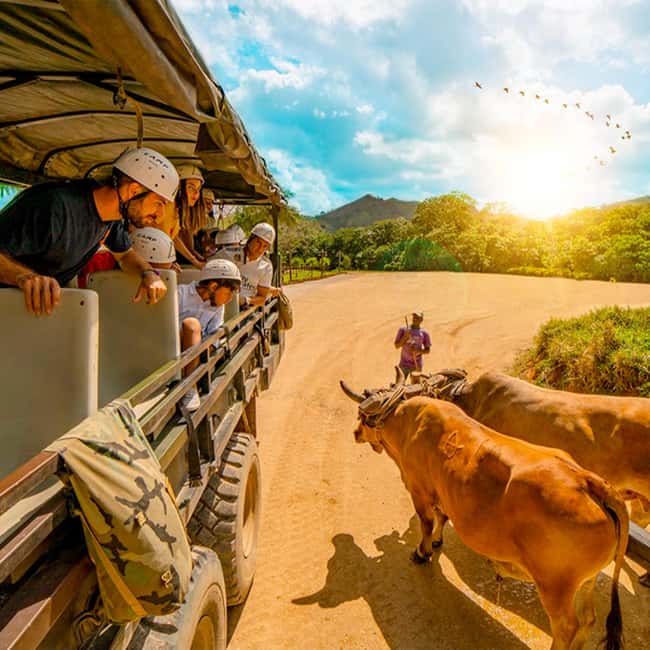
- Comfort varies with transport: Some vehicles may feel more like a safari ride than a smooth city transfer.
Punta Cana to Higüey: where the culture angle starts
The core of this tour is simple: get out of Punta Cana and spend the half-day (it’s advertised as half-day) in La Altagracia province, starting in Higüey. Pickup is included from your Punta Cana hotel, and you travel by vehicle to Higüey with an on-the-ground guide. If you want a quick win on value, this is a strong structure—less scrambling on your end, more time spent on actual stops.
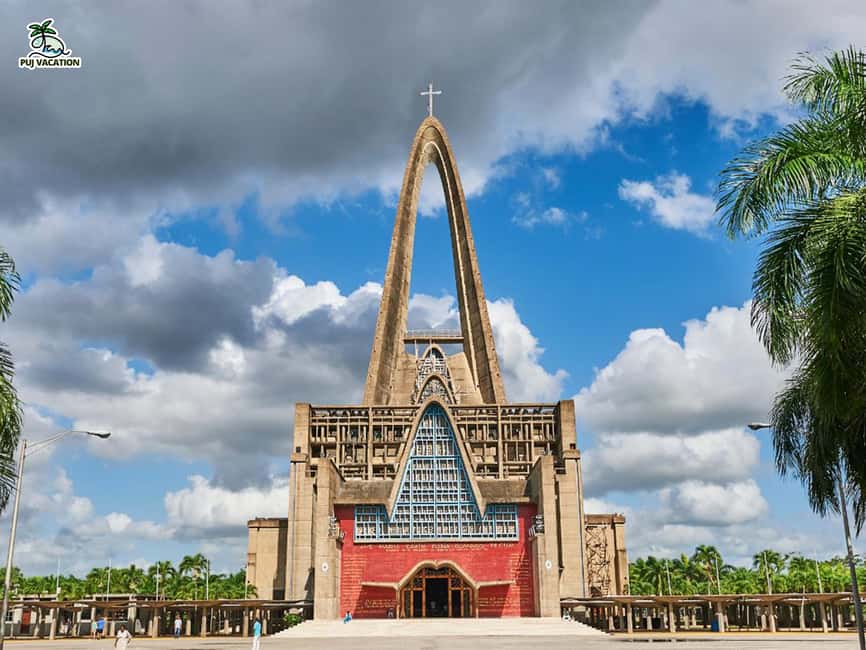
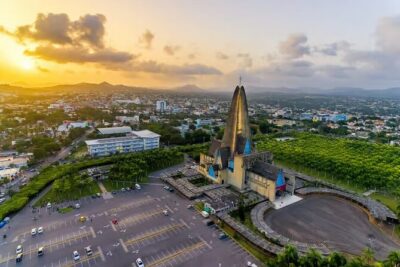
The first big moment is the Basilica of Higüey, an imposing architectural and spiritual landmark. I like starting here because it gives you a frame for everything that follows. After you’ve seen such an obvious center of devotion, it’s easier to understand why local crafts, community life, and food traditions feel connected instead of random stops thrown into a schedule.
Practical note: you should expect a day with several transitions. The route involves getting in and out of the vehicle more than once, and that’s not automatically a deal-breaker, but it is something you should mentally prepare for.
Also, keep expectations flexible. One guide experience included a church timing issue (it was closed when the group arrived), which is a reminder that schedules in the real world don’t always match the plan. If something like that happens, a good guide can still redirect the day so you don’t feel shortchanged.
Crafts workshop and the national market: see daily life, not just souvenirs
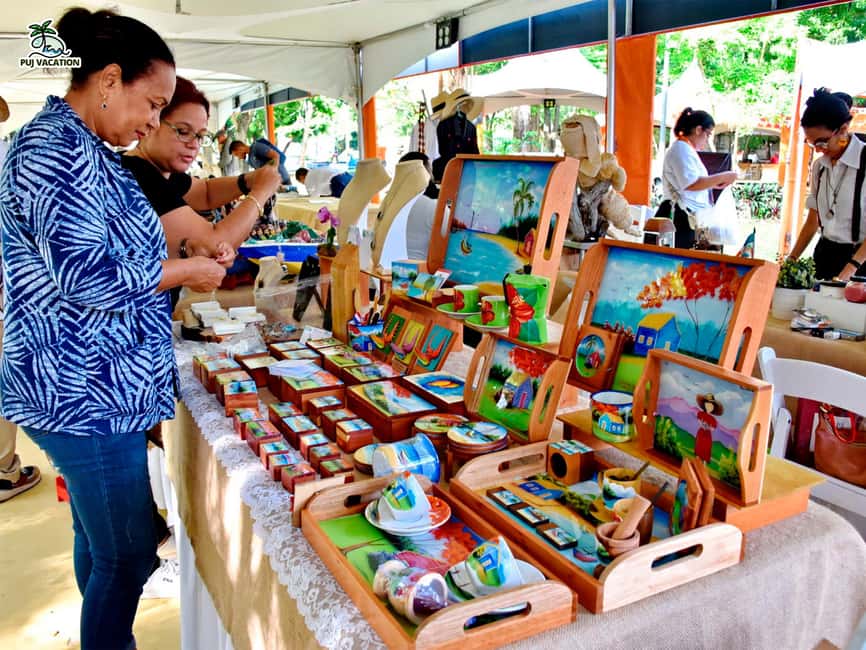
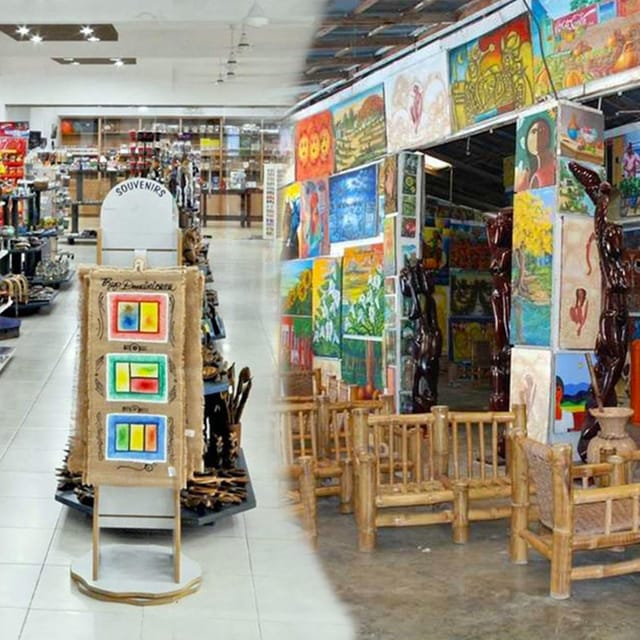
After the Basilica, you head to a crafts stop and then to a Dominican market (described as a national market). This is where the tour does something important for people who dislike the hard-sell tourist trap: it builds in time to observe how goods are made and how people shop and talk.
At the crafts workshop, you can watch how traditional pieces are produced. That matters because it turns buying into something else—you’re not only shopping, you’re learning the basic story behind materials and techniques. If you like taking home items that have a reason to exist, this is the best part of the tour to slow down and ask questions.
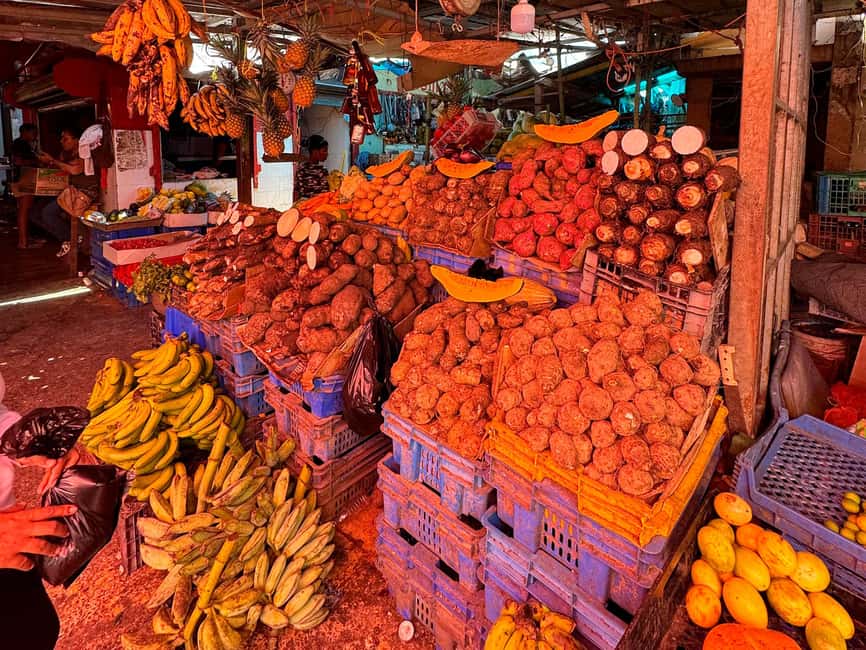
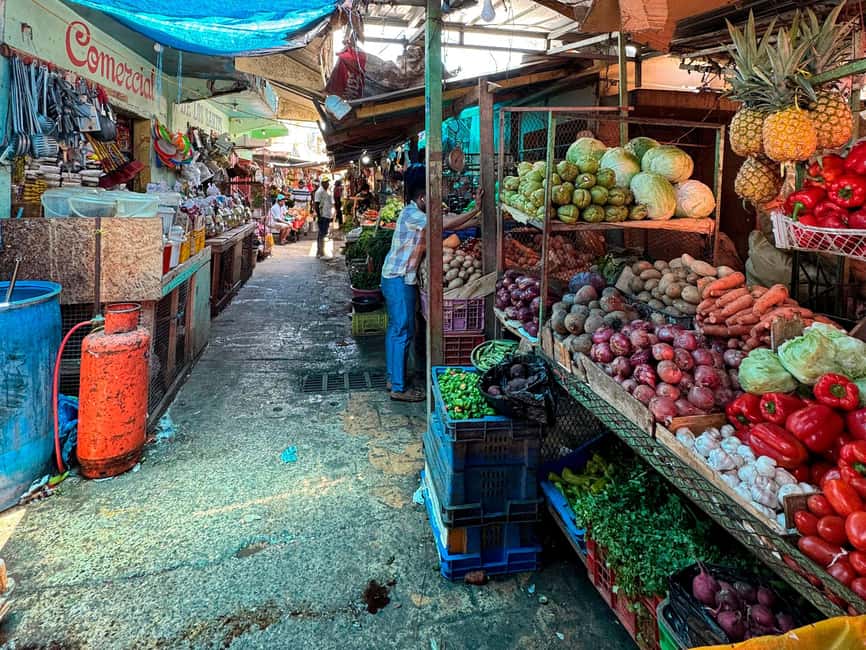
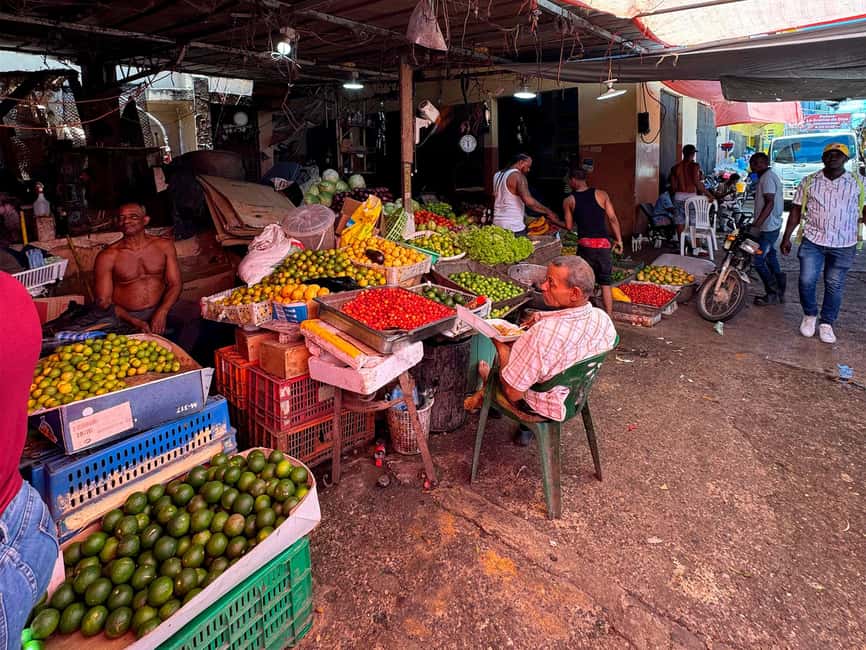
Then comes the market, where you’ll get hit with Dominican life in full color: aromas, snack stands, and the kind of everyday bustle you don’t see from the resort shuttle window. I actually think the market stop is one of the most useful parts of the entire day, because it’s the easiest way to remember a place by your senses later. Even if you don’t buy much, you’ll still leave with a mental picture.
A small strategy that helps: keep your guide close during these stops. Some tours move fast and you may need to ask for context on what you’re seeing (especially if a specific explanation doesn’t happen right away). With a friendly guide, the market becomes way more than a photo stop.
The countryside is the real DR. More days out among the palms
- Half-Day Adventure 4×4 ATV, Water Cave and Dominican Culture
★ 4.5 · 3,394 reviews - Punta Cana Family Wild Buggy Eco Adventure
★ 4.5 · 2,372 reviews - Half Day Dominican Republic Cultural Tour : Small Group
★ 4.5 · 1,862 reviews - 5 tours in 1 (Eco Farm/Horseback/City Tour/Buggy/Zipline)
★ 4.5 · 1,443 reviews
Horse ride on the ranch and the Anamuya River natural slide
Now for the part where you stop thinking like a city tourist and start thinking like a participant in the day’s rhythm.
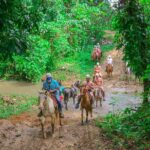
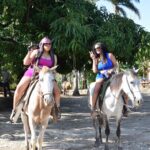
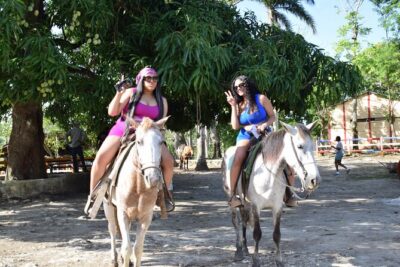
The tour includes a horse ride through rural areas on a ranch before you move toward the Anamuya River. This isn’t billed as a gentle, groomed experience. One review described the trail as muddy and rocky, with a scary feel if you imagine falling would be a disaster. That doesn’t mean it’s unsafe for everyone, but it does mean you should match your comfort level to the reality of outdoor riding: expect dirt, uneven ground, and a bit of chaos.
If you’re the kind of person who gets nervous around animals or uneven paths, consider whether the horse segment is worth the trade-off. If you’re fine with outdoor activity and don’t mind getting a little dirty, this is also one of the most memorable pieces of the itinerary.
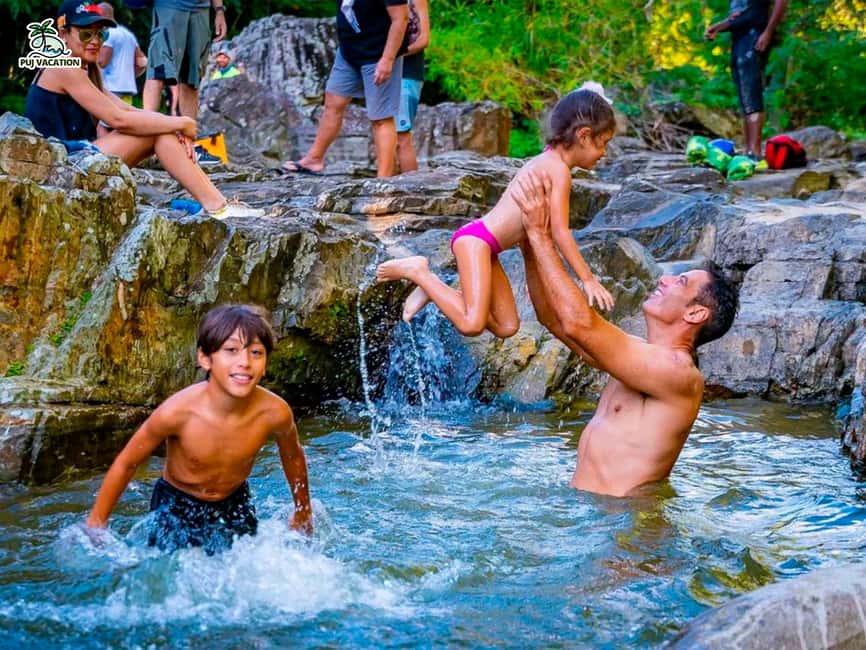
Then you reach the river area for the water part. Here, you can swim and also play on a natural slide. I like this stop because it breaks up the culture-and-food schedule with a reset moment. It’s not just scenery; it’s time where your body gets a turn. Bring your towel and beachwear, since that’s what you’ll need if you plan to actually use the water time.
One more useful expectation-setting note: the river segment often involves enjoying the environment while the day keeps moving. If your attention span runs short or you hate being on a timer, you might want to mentally prioritize what you care about most here—swimming versus photos versus the slide.
Coffee, cocoa, and tobacco: tastings that make the food make sense
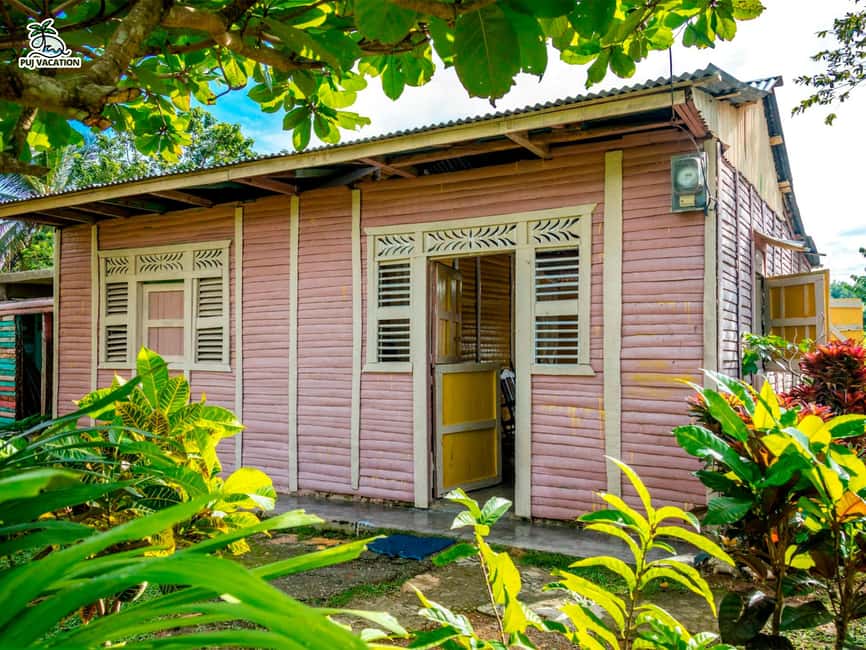
After the river, the tour pivots from outdoors to something more hands-on in terms of local industry. You’ll learn about coffee, cocoa, and tobacco through a stop at a local house and factory, and there’s also an art school visit in the same stretch.
This section is valuable because it connects two things people often treat as separate: what you eat and how it gets made. When you understand that coffee and cocoa aren’t just flavors in a café, you start tasting them differently later. And if you’re a chocolate or vanilla fan, the tasting portion is a clear win.
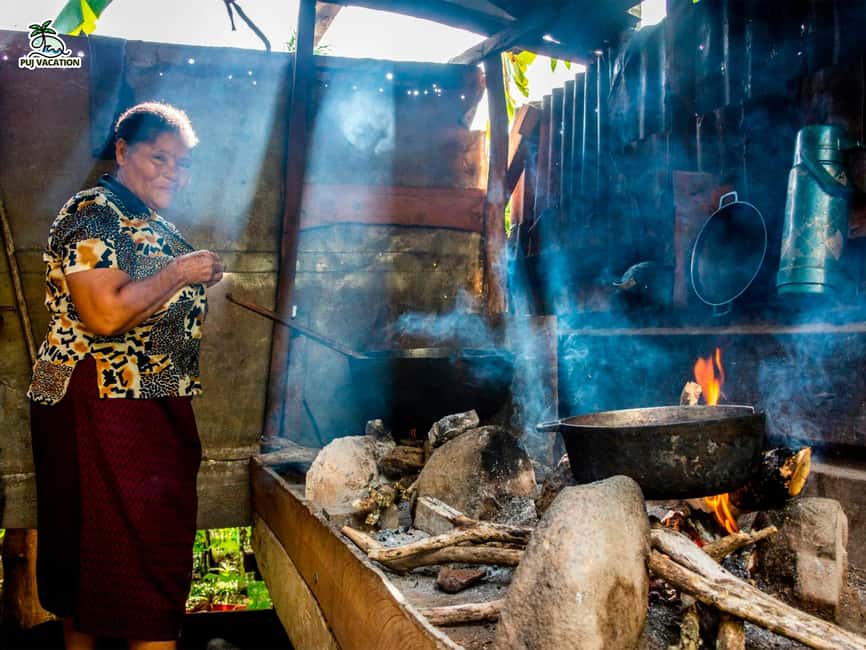
The tour includes tastings of coffee, vanilla, cocoa, and fruits. You may also see additional Dominican drinks or snacks depending on what’s served during the day—one named bonus from an experience included mamajuana tasting. Don’t count on it as guaranteed, but it’s a nice example of how these stops can go beyond the basic checklist.
If you like questions, this is your moment. Ask what the process looks like and what’s local. You won’t need to become a food scientist; even simple explanations help you appreciate what you’re eating.
Macao Beach payoff: a real cool-down after a long day
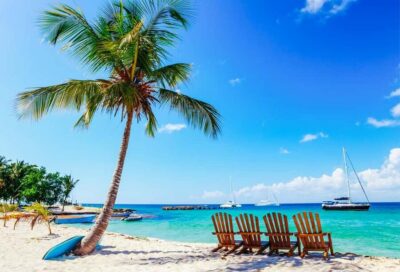
The final stop is Macao Beach, where you can relax on the sand and enjoy a swim in the ocean before heading back to your hotel. I like ending here because it’s the opposite of a museum exit. It’s a sensory finish—salt air, heat, and a place where you can actually take your time if you have a few minutes.
The key is managing the timing. Some experiences suggested the tour can run longer than it’s advertised, and that can affect how much beach time you truly feel you get. If you’re the type who hates rushing your last stop, plan to treat this as your decompression window rather than your full beach day.
Also, remember that you’re wrapping up after multiple transitions. Bring your towel and beachwear, use the water time if that’s your priority, and then focus on comfort for the ride back.
Price and logistics: the value is good, but build in patience
At $53 per person, the value is strong on paper. You’re getting transport, entry-type coverage for major stops, a horse ride, time at a market, time at the Anamuya River (including swim and natural slide access), Macao Beach, plus meals/snacks. On top of that, you get tastings of coffee, vanilla, cocoa, and fruits. When you add it all up, it’s more than a basic sight-seeing loop.
But here’s the practical part: value isn’t only about what’s included—it’s also about how smooth the day feels.
A few logistics signals to consider:
- Transport may not be a consistently comfortable, fully air-conditioned ride. Some people noted a safari-style truck feel, and one described it as rickety but still safe and fun.
- Time on each stop can be limited. If the day has set group flow, you might feel a bit “next stop, go” at times.
- You could encounter a closure or reduced access at a religious site depending on timing.
So my take: this is worth it if you’re flexible and you like variety. It’s not ideal if you specifically want a calm, controlled half-day with long, peaceful viewing.
The Punta Cana catalogue runs deep. More picks we have vetted

What to bring and what to avoid (so the day stays fun)
The basic packing list is short, which is a good sign for sanity: bring a towel and beachwear. Those aren’t suggestions if you plan to use the river and beach time.
What’s not allowed is also straightforward: alcohol and drugs aren’t permitted. If you like a drink during a tour, you’ll need to plan that for after you get back to Punta Cana.
One more mindset tip: expect outdoor elements. Between riding, river play, and beach time, you’ll likely be in the sun and possibly in muddy or wet conditions. Wear whatever makes you comfortable getting a little grime on you, because the day is hands-on.
Tour fit: who should book this and who should skip it
This tour fits best if you want a single day that mixes culture, food tastings, and outdoor time without planning details yourself. It’s a good option for people who don’t just want buildings and photos—they want to understand daily life through markets, crafts, and local food.
It’s also well suited for travelers who care about the guide experience. Several experiences praised guides by name—Robinson stood out for warmth and clear Dominican history explanations, and another guide named Francisco was credited with keeping communication very clear. Martinez was also highlighted for helpful guidance around the church portion.
That said, it’s not for everyone:
- It’s marked as not suitable for pregnant women.
- It’s also not suitable for people over 95.
- If you’re uncomfortable with horse riding outdoors or uneven/muddy ground, you should think carefully about the horseback segment.
If you’re coming to Punta Cana expecting comfort-only travel, look for something more resort-style. This one is a country day.
Should you book the Punta Cana Cultural Tour History and Traditions?
I’d book it if you want a practical mix: Higüey Basilica for cultural context, a crafts workshop and market for real-life texture, a horse ride plus Anamuya River swim and natural slide for activity, and Macao Beach to finish with a cooling-off moment. For $53, the inclusion of meals/snacks and tastings is a big part of the appeal.
I’d hesitate if you’re sensitive to bumpy transport, dislike tight timing at each stop, or you strongly prefer a true half-day with low movement. Also, if horse riding on uneven ground sounds like your personal nightmare, skip this one and save your energy for a gentler tour.
If you book, do two things: bring your towel and beachwear, and choose the mindset of a “get out and live the day” experience. You’ll have a much better time when you treat it like an actual excursion, not a laid-back bus tour.
FAQ
How long is the Punta Cana Cultural Tour?
The description calls it a half-day guided tour from Punta Cana. One important note is that some people found the day running longer than expected.
Where does pickup happen?
Pickup is included from your Punta Cana hotel.
What are the main stops on the tour?
You’ll visit the Basilica of Higüey, a crafts workshop, the Dominican market, a horseback riding ranch, the Anamuya River, a coffee/cocoa/tobacco house or factory plus an art school stop, and finish at Macao Beach.
Is there swimming time?
Yes. You can swim at the Anamuya River and you can also swim at Macao Beach.
What food and tastings are included?
The tour includes typical Dominican food and snacks, plus tastings of coffee, vanilla, cocoa, and fruits. A mamajuana tasting may be offered as a bonus depending on the day.
Do I need to buy tickets for the Basilica?
The tour includes skipping the ticket line.
What languages are the guides available in?
The live tour guide is available in Spanish, English, and French.
Is the group private?
The activity is described as a private group.
What should I bring?
Bring a towel and beachwear.
Is alcohol allowed on the tour?
No, alcohol and drugs are not allowed.
More Tour Reviews in Punta Cana

Punta Cana, Past the Obvious
More Campo Days Out
New Punta Cana reviews, straight off the island
- Full day – Saona Island from punta cana★ 3.5 · 3 reviews
- Punta Cana Whale Watching and Bacardi Island Day Trip★ 3.5 · 3 reviews
- Montaña Redonda & Horseback Riding 2-in-1 Tour from Punta Cana★ 4.5 · 3 reviews
- Iberostar Selection Bavaro – Round Trip Shuttle – Punta Cana Airport★ 5.0 · 3 reviews
- Half Day Dominican Safari for all Family★ 5.0 · 3 reviews
- Punta Cana Buggy and ATV Adventure Tour★ 3.5 · 3 reviews
Dominican Countryside & Culture, compared.
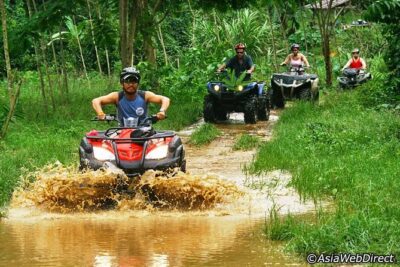 ★ 4.5Half-Day Adventure 4×4 ATV, Water Cave and Dominican CultureFrom $643,394 reviews
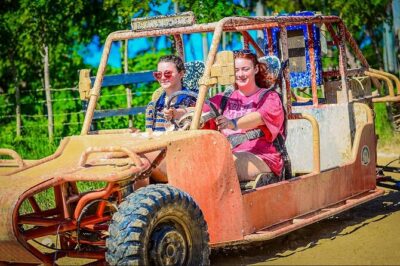 ★ 4.5Punta Cana Family Wild Buggy Eco AdventureFrom $482,372 reviews
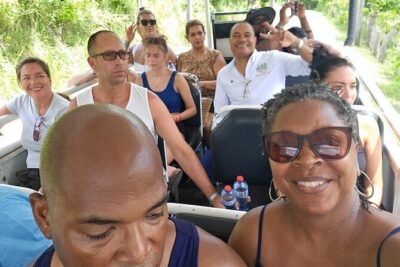 ★ 4.5Half Day Dominican Republic Cultural Tour : Small GroupFrom $601,862 reviews
 ★ 4.55 tours in 1 (Eco Farm/Horseback/City Tour/Buggy/Zipline)From $1191,443 reviews
 ★ 5.0ECO TOUR Playa El Limon (Excursion Multi-activites)From $1491,071 reviews
 ★ 4.57 waterfalls+typical foodFrom $60526 reviews
 ★ 4.7From Punta Cana: Higuey Expedition Cultural & Historic TourFrom $32518 reviews
 ★ 5.0Buggy Tour Punta Cana: MagicalCaves ,Dream Beaches & CultureFrom $40388 reviews
Browse the lists this tour appears in