
Reviewed · PUNTA CANA EXCURSIONS
Punta Cana: Go Karting
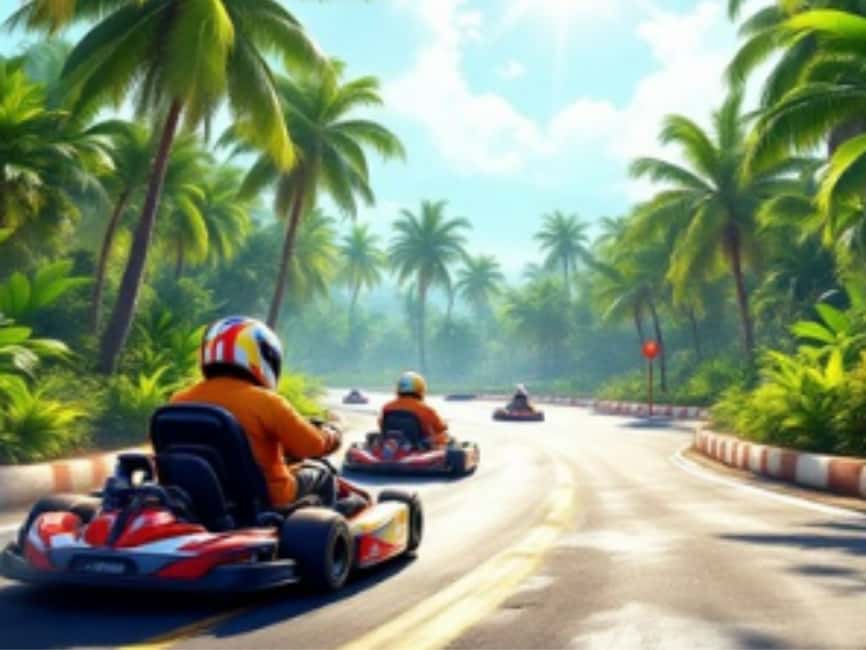
One of the fastest ways to blow off travel stress. Punta Cana go karting pairs a 400-meter track with high-performance semi-professional karts so you get real speed, not just a slow “for fun” lap.
I also love how the format makes sense for mixed groups: you get a short practice/adaptation race first, then a more competitive second round. The main thing to consider is that not every aspect is described as perfectly premium, so if you’re very picky about helmet fit and track surface, go with realistic expectations.
If you want an action break that stays on schedule, this delivers. You’re looking at a 2-hour total experience with a safety talk, two timed rounds, and even a recharge snack in between. My only caution: if you have zero karting experience, take the safety and practice round seriously, because the karts can be quick.
In This Review
- Key things to know before you go
- Why Punta Cana go karting feels like a proper race
- Getting there in time: transport that keeps the day moving
- Your first step: the 15-minute safety briefing (don’t skip it)
- How the two 20-minute rounds work (and why it’s a smart format)
- The track layout: speed with room to learn
- Karts and gear: high-powered fun, not a showroom experience
- The practical reality of staff and language support
- Snack break: small, but you’ll feel it
- Price and value: is $65 per person fair?
- Who should book this go karting in Punta Cana?
- Practical tips to get more fun out of your 400 meters
- Should you book Punta Cana: Go Karting?
- FAQ
- Where is Punta Cana Go Karting located?
- How long is the go karting experience?
- How much does it cost?
- What’s included in the price?
- What languages are available for the live tour guide?
- Do I need any karting experience?
- Can I cancel, and how late?
Key things to know before you go
- A 400-meter track built for speed and technique, not just driving in circles
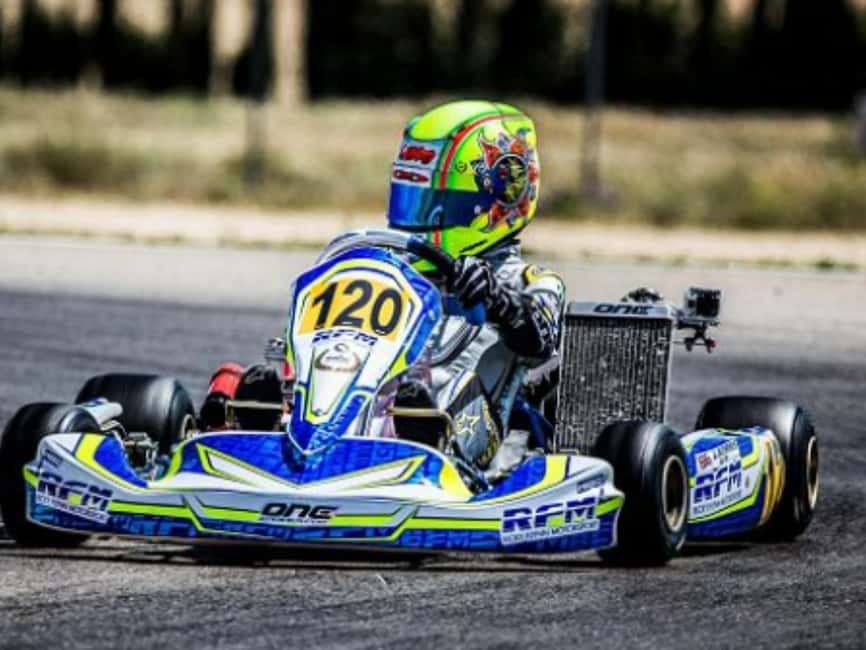
- Two 20-minute rounds with an adaptation lap first, then a more competitive restart
- A safety briefing plus helmets around 15 minutes before you ride
- Included transportation that aims to get you there within about 30 minutes from most hotels
- Multi-language guide support (English, Spanish, French, German, Italian)
Why Punta Cana go karting feels like a proper race
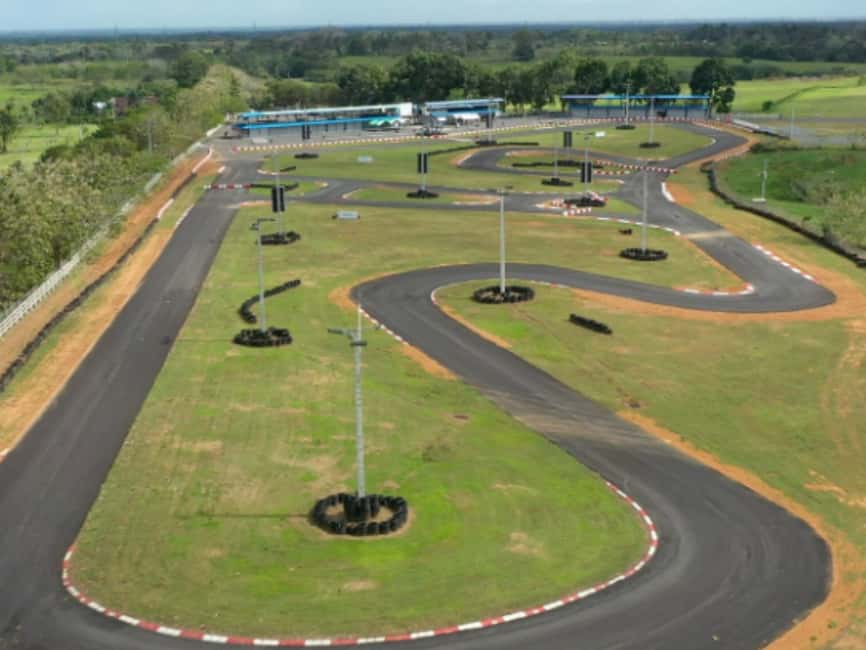
This isn’t a “sit in a cart and pretend” kind of activity. The circuit is laid out for controlled speed and cornering, with a 400-meter track over a total area of 6,000 square meters. That matters, because you’ll spend less time stuck waiting and more time actually driving—especially if you show up ready to race your own lines.
The karts are described as high-powered semi-professional, and that shows in how the experience is paced. The operator sets you up with a quick safety talk, then you get two distinct rounds. The first round helps you learn the feel of steering and grip. The second round adds pressure by lining up riders more like a race, based on results from round one.
This is also a good “everyone can participate” activity. It’s marketed for friends and families, and the format supports that: you can be cautious on round one and still have fun, then push harder when you understand the track.
Getting there in time: transport that keeps the day moving
One of the strongest value points here is that transportation is included. The park is positioned so tourists should reach it in under 30 minutes from hotels around La Altagracia. In practice, that means less guessing on your end and fewer moving parts on the day.
You’ll spend most of your total time in a single block (the experience is listed as 2 hours). That’s ideal when Punta Cana days start to blur together. Instead of adding another complicated half-day to your schedule, you get a focused activity with a clear start-to-finish arc: ride, brief, ride again, snack, done.
There’s also an experienced staff setup. Even if you’re nervous about driving fast, it helps to know there’s a team running the operation, not just a casual staffer handing you keys.
The Punta Cana catalogue runs deep. More picks we have vetted
- Private Airport Punta Cana to La Romana Bayahibe or Casa de Campo Resort Area
★ 5.0 · 6,662 reviews - Punta Cana Zipline Adventure with Buggies and Horseback Riding
★ 5.0 · 5,001 reviews - Full-Day Santo Domingo City Tour from Punta Cana
★ 4.5 · 4,500 reviews - Punta Cana: Catamaran Boat to Saona Island with Buffet Lunch
★ 4.4 · 3,822 reviews
Your first step: the 15-minute safety briefing (don’t skip it)
Before you even hit the circuit, you get a 15-minute talk. This is where you’ll learn the rules for driving on the track and how to handle the karts safely. You’re also provided with protective helmets.
Here’s the practical takeaway: treat this briefing like your real warm-up. If you want a smooth second round, you need to understand how the track is managed—where you can gain speed safely and what behavior gets you pulled back. Even experienced drivers benefit because kart circuits can have their own rhythm.
A quick consideration: some past riders have flagged issues like helmet sizing not being perfect and road/track condition not feeling consistently great. That doesn’t automatically mean your helmets will be a problem, but it does suggest you should do a basic check when you’re fitted. Make sure the helmet sits securely and doesn’t shift when you move your head.
How the two 20-minute rounds work (and why it’s a smart format)
The experience is built around two rounds of 20 minutes each. I like this structure because it rewards learning without turning the whole event into a beginner lesson.
Round one: you adapt to the circuit and measure your skills. This is the time to find braking points, figure out how the kart reacts mid-corner, and stop “over-driving.” If you go all-out immediately, you’ll waste energy and likely feel stressed by the end.
Round two: the excitement ramps up. The last riders from the first competition start at the front for the final race. In other words, it’s designed to keep things lively instead of letting the fastest person in round one dominate everything from the start. It’s a fun twist that makes it more likely you’ll have a real battle, not just a quick checkered-flag repeat.
Between rounds, you get a snack break. This isn’t just a nice-to-have. After you’ve been focused for 20 minutes and physically bracing yourself in corners, you’ll appreciate a moment to reset—hydration and a small bite help you keep your energy for the second race.
The track layout: speed with room to learn
You’re driving on a circuit engineered to offer speed, technique, and fun. The 400-meter length is long enough to feel like a real track, but not so long that you’re stuck in boring straightaways. That balance is what makes a karting session enjoyable for both competitive and relaxed drivers.
You’ll also be driving inside a park area that spans 6,000 square meters. That matters for logistics and safety. It generally helps with flow—where you line up, how the track is separated from waiting areas, and how staff manage the start/restart process between rounds.
What should you expect in terms of driving?
- Fast enough that you’ll want both hands and a steady grip
- Corners where your line choices matter
- A circuit where technique improves your time more than raw bravery
And if you’re new to karting, this is your best environment to learn. The first round gives you the chance to build confidence without risking the entire event.
Karts and gear: high-powered fun, not a showroom experience
The karts are described as high-performance semi-professional units, and that’s a big part of why the pricing makes sense for many visitors. You’re not just paying for the track; you’re paying for equipment that can actually deliver speed and responsive steering.
That said, the equipment experience can vary. One reported drawback was that karts were of moderate quality and the track surface wasn’t ideal. I wouldn’t overreact to one comment—but it is smart to go in knowing this is a functional sports attraction, not a lab-perfect racing facility.
What you can do to improve your experience:
- Focus on clean driving during round one so you’re not fighting the kart the whole time
- Don’t compare it to a pro rental at a raceway you might have visited elsewhere
- If helmet fit feels off, ask staff to adjust it before you start
The staff is described as experienced, and that’s a good sign for how quickly they can help if something doesn’t feel right.

The practical reality of staff and language support
You’ll have a live tour guide available in English, Spanish, French, German, and Italian. That’s useful in Punta Cana because you’re likely to share the session with other nationalities, and the briefing is only helpful if everyone understands the safety rules.
Live guidance also helps your timing. When people know what’s happening—when to line up, what to do between rounds—the whole experience runs smoothly. A few past riders noted how well pick-up and the overall plan worked, which supports the idea that the operation tries to keep things organized.
If you’re traveling with family, language support is a comfort factor. Kids and teens (when participating) respond better to clear instructions than to vague directions.
Snack break: small, but you’ll feel it
Between rounds, you stop for a snack. It’s easy to shrug off a snack break when you’re excited to race, but in a high-adrenaline activity it plays a real role.
After 20 minutes of steering, bracing, and focus, your body is working even if you don’t feel “tired” in a normal workout way. The snack break gives you a short reset so your second round isn’t just a repeat of the first, only slower.
It also gives you a chance to hype up your strategy. For example: did you lose time in a specific corner? Did you struggle on acceleration? Round two is the place to correct it.
Price and value: is $65 per person fair?
At $65 per person for about 2 hours, this is priced like an activity that includes more than just kart access. You’re also getting safety briefing, helmets, experienced staff, a snack break, and transportation.
Here’s the value math that matters:
- Included transport reduces your independent planning time
- The structured two-round format means more actual driving time and less waiting
- The safety briefing lowers your stress, especially if you’re new
- The guide language options can make the experience easier to enjoy fully
If you were comparing this to a karting session where you pay separately for gear and coaching—or where you have to figure out your own ride—this looks like a straightforward deal.
If you’re the kind of driver who expects top-tier racing equipment every time, you might feel the gap between “semi-professional” and “true pro track.” But for most people, it’s a fun, time-efficient adrenaline hit with good organization.
Who should book this go karting in Punta Cana?
This tour is best for people who want action without turning it into a complicated day.
You’ll likely love it if:
- You’re traveling with a partner and want a competitive, shared experience
- Your group includes different skill levels and you don’t want a one-size-fits-all activity
- You want a short adrenaline stop between beach time and dinner plans
- You prefer guided structure over self-guided chaos
It may be a little less ideal if:
- You’re extremely sensitive to helmet comfort/fit and track surface quality
- You expected a fully professional racing facility experience every second
The good news is the format helps beginners and non-racers. Round one is your learning lap, and round two is where you can actually have fun fighting for positions.
Practical tips to get more fun out of your 400 meters
You don’t need to train like a racer, but a couple of choices can help.
1) Go in ready to focus
Kart driving rewards smooth inputs. If you’re distracted or rushing, you’ll feel it fast.
2) Treat round one as setup
Use it to build rhythm. Then use round two to push.
3) Check your helmet fit
Even if everything’s fine, a secure helmet means you’ll drive more comfortably and confidently.
4) Think about comfort on a short event
This is only a couple of hours total, but you’ll be inside your seat and actively bracing in turns.
5) Bring your best playful competitive attitude
This is a race-style format. Even if you’re not chasing speed, the structure makes it more fun.
Should you book Punta Cana: Go Karting?
If you want a well-timed, guided, speed-focused activity that’s built around two real driving rounds, I’d book it. For many visitors, the biggest wins are the transport convenience, the two 20-minute rounds, and the fact that you’ll have staff and a multilingual guide running the safety rules so you can enjoy the driving.
I’d hesitate only if you’re picky about equipment condition and comfort down to the smallest detail. In that case, you might feel disappointed rather than thrilled.
Overall, this is a solid choice for an adrenaline break in La Altagracia—especially when you want something that feels like a real mini-race rather than just a casual ride.
FAQ
Where is Punta Cana Go Karting located?
It’s in La Altagracia, Dominican Republic.
How long is the go karting experience?
The experience is listed as 2 hours total. You’ll have a 15-minute safety talk plus two rounds of 20 minutes each, with a snack break between rounds.
How much does it cost?
The price is listed as $65 per person.
What’s included in the price?
Included items are transportation, safety briefing, the karting experience, a refrigeration break/snack break, and experienced staff.
What languages are available for the live tour guide?
The live tour guide is available in English, Spanish, French, German, and Italian.
Do I need any karting experience?
No prior experience is stated as required. You’ll start with an adaptation round to help you learn the circuit and your skills before the final race.
Can I cancel, and how late?
Free cancellation is available up to 24 hours in advance for a full refund.
More Tour Reviews in Punta Cana



Punta Cana, Past the Obvious
New Punta Cana reviews, straight off the island
- Buggy Adventure with Cenote, Waterfalls & Dominican Lunch★ 4.0 · 4 reviews
- Shopping or souvenirs in Plaza Bávaro★ 3.0 · 4 reviews
- Punta Cana: Tour in buggy From Hotel impressive Punta cana★ 3.6 · 4 reviews
- Eco Aventure Park+ Zipline+Horseback Ride+Buggy★ 4.5 · 4 reviews
- Shared 10-12 Hours Tour in Los Haitises National Park★ 5.0 · 4 reviews
- Discovery DE the real Dominican Republic EN small committee.★ 5.0 · 4 reviews
Punta Cana Excursions, compared.
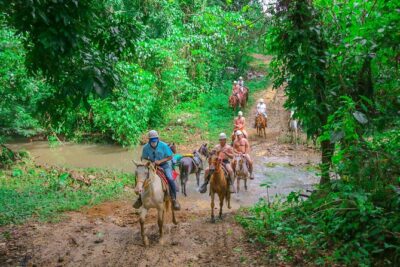 ★ 5.0Punta Cana Zipline Adventure with Buggies and Horseback RidingFrom $1005,001 reviews
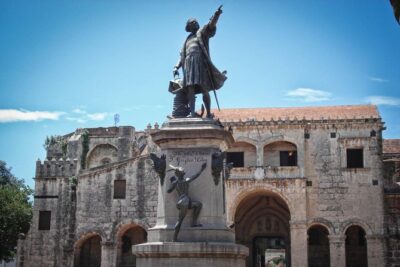 ★ 4.5Full-Day Santo Domingo City Tour from Punta CanaFrom $954,500 reviews
 ★ 4.4Catamaran Boat to Saona Island with Buffet LunchFrom $823,822 reviews
 ★ 4.5Punta Cana Dune Buggy Adventure and Amazing Water CaveFrom $613,411 reviews
 ★ 4.5Saona Island Day Trip From Punta Cana with Lunch and Open BarFrom $822,709 reviews
 ★ 4.5Punta Cana Family Wild Buggy Eco AdventureFrom $482,372 reviews
 ★ 5.0ATV Adventure to Water Cave and Macao Beach in Punta CanaFrom $452,206 reviews
 ★ 4.1Punta Cana Buggy & ATV Tour: Cave, Macao Beach, Free Pick-UpFrom $352,134 reviews