
Reviewed · SANTO DOMINGO & THE COLONIAL ZONE
Santo Domingo: Bachata or Salsa Dance Classes
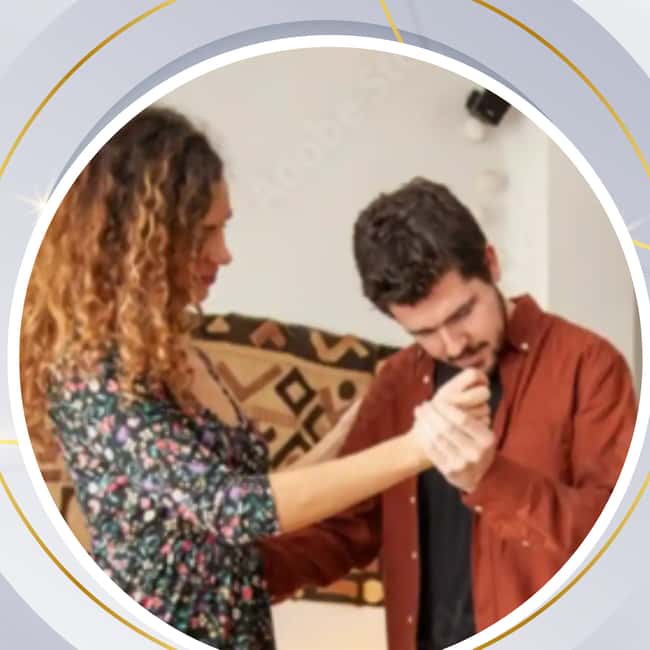
One hour, two styles, and way less guesswork. This private Santo Domingo session mixes salsa and bachata basics with music-first coaching, so you actually feel the rhythm as you move. You meet at Parque Iberoamérica, then build steps that make sense fast.
I really like that the teaching is one-on-one and matched to where you are right now, from brand-new to experienced. Ari (often called Happy feet) and other instructors like Happy explain in a clear, practical way, including partner timing and styling choices.
The only drawback: it’s a tight 1-hour window. You’ll leave with solid fundamentals and momentum, but you won’t suddenly master full dance routines for every night out.
In This Review
- Key things to know before you go
- Where you’ll start: Parque Iberoamérica and the cafe meet point
- Private coaching that actually matches your level
- The one-hour flow: rhythm first, then steps, then connection
- 1) Latin rhythms: feel the beat before you move
- 2) Basic steps and fundamentals for both styles
- 3) Partner work: connection and moving in sync
- 4) Styling and expression: make it look like you
- 5) Practice with real guidance
- Salsa and bachata basics: what you’ll leave knowing
- Partner dancing without stress: getting past the awkward stage
- Getting it where you’re staying: hotel or Airbnb options
- Price and value: $40 for a focused hour of coaching
- Who this class is best for (and who should pick something else)
- Tips to get more out of your lesson
- Should you book this Santo Domingo salsa and bachata class?
- FAQ
- Where is the meeting point?
- How long is the class?
- Is it private or group instruction?
- What dance styles will I learn?
- What language is the class taught in?
- How much does it cost?
Key things to know before you go
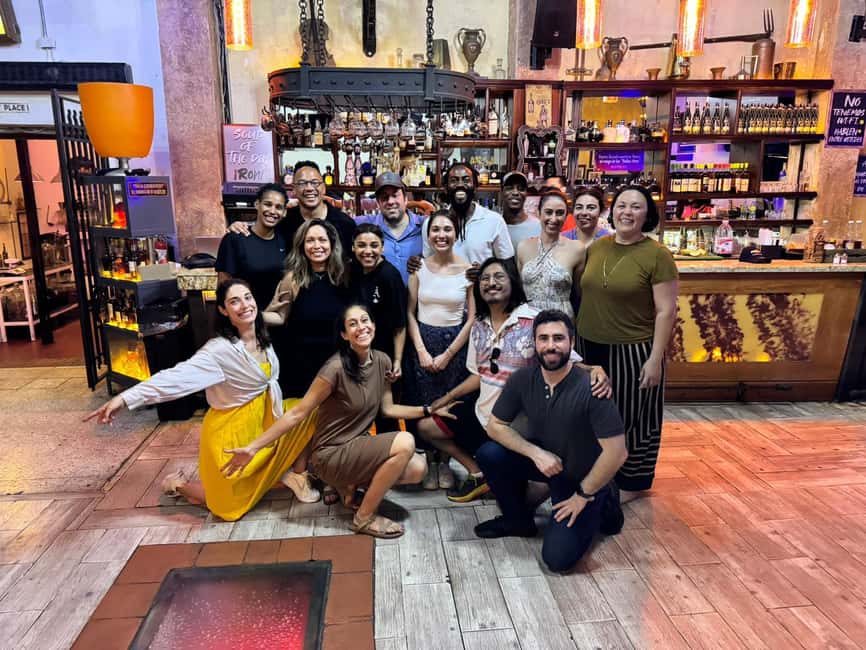
- Private instruction: your lesson is tailored to your level and goals.
- Beginners welcome: they’ll start with fundamentals, not assume you already know the basics.
- Music + body connection: you’ll learn how to listen to the beat, not just memorize steps.
- Partner work: you’ll practice connection and moving in sync, not just solo moves.
- Flexible location: meet at Parque Iberoamérica, or arrange for your hotel/Airbnb area when possible.
- English instruction: the class is taught in English.
Where you’ll start: Parque Iberoamérica and the cafe meet point
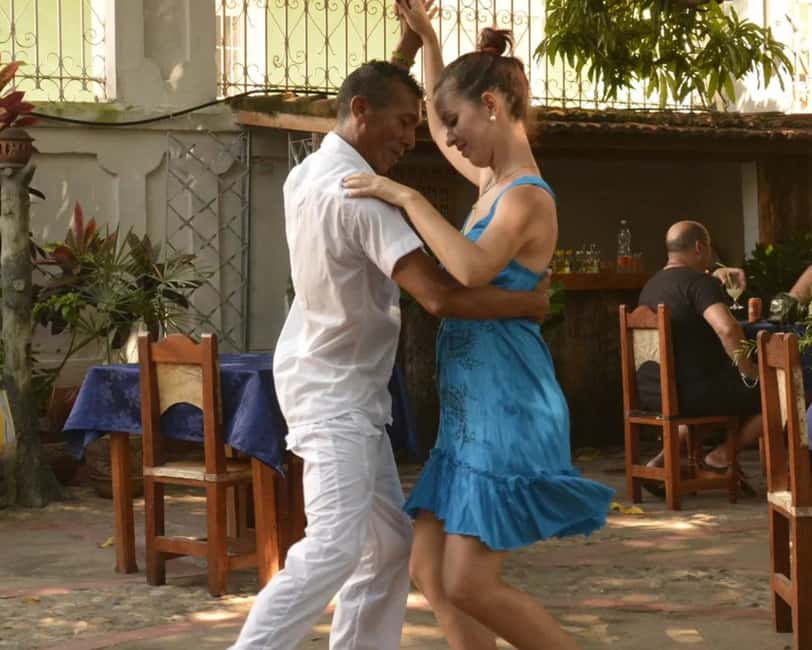
In Santo Domingo, the meeting point is inside Parque Iberoamérica. You’ll find a cafe in the center of the park, and that’s where you should aim to meet your instructor.
Why this is a good setup: parks give you space to move without feeling like you’re crammed into a studio, and the cafe makes it easy to confirm who you’re meeting. It’s also a friendly place to reset your brain before class—less “where do I stand?” and more “okay, let’s learn.”
One small reality check: Santo Domingo traffic can eat into your schedule. If you’re coming from the colonial zone, the modern hotels, or further out, I’d plan a little buffer so you don’t arrive rushed.
Private coaching that actually matches your level
This isn’t a big group class where you hope the steps land. It’s private instruction, which matters because salsa and bachata can feel confusing for different reasons.
A total beginner usually needs the order of operations—how to hear the rhythm, where the weight goes, and what your body should do on each count. Someone with experience might need refinement—cleaner timing, better connection, or styling that looks intentional instead of accidental.
That’s exactly how these lessons are framed: your instructor builds a session designed around your current ability. People have specifically praised how the teacher threads the needle between a brand-new dancer and a more advanced partner—so you don’t feel held back, and your partner doesn’t feel bored.
Instructors like Ari (Happy feet) are repeatedly described as patient and very focused on explanations. That’s a big deal when you’re learning in real time, because you want clarity, not vague “just follow.”
The capital deserves a full day. More Santo Domingo runs we rate
- Santo Domingo: Los Tres Ojos, Boca Chica & More
★ 4.8 · 219 reviews - Colonial Zone: Historical Tour with a visit to the Columbus Lighthouse and Tres Ojos Park
★ 4.9 · 157 reviews - Santo Domingo: Colonial Zone Bike Tour
★ 5.0 · 127 reviews - Saona Island, memorable all-inclusive experience, from Santo Domingo.
★ 4.5 · 100 reviews
The one-hour flow: rhythm first, then steps, then connection
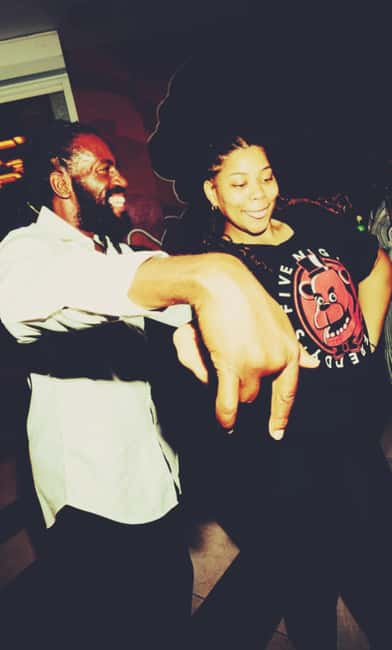
The class follows a logical arc, and the best part is that you don’t just jump to choreography. You start with listening, then you add movement.
Here’s how the hour is typically structured:
1) Latin rhythms: feel the beat before you move
You begin with an introduction to salsa and bachata through the music. This is about identifying the pulse and how the rhythm lives in your body. Instead of counting like math, you learn to sense timing.
This approach is especially helpful if you’ve ever tried dancing before and felt like your feet were “doing random things.” When rhythm clicks, the steps feel more natural almost immediately.
2) Basic steps and fundamentals for both styles
Then you practice foundational moves for salsa and for bachata. The instruction is geared so beginners aren’t overwhelmed, while more experienced dancers can still sharpen details.
Expect your instructor to break things down into small pieces and then rebuild them as you gain confidence. If you’re worried about your coordination, this is where you’ll get your footing.
3) Partner work: connection and moving in sync
Next comes partner dancing fundamentals. This is where lessons often separate “cool on YouTube” from “works in real life.”
You’ll work on moving in sync with a partner—learning how to maintain connection, share timing, and avoid that awkward drifting that happens when both people dance as individuals.
People have described this as learning the art of partner connection, which is exactly what you want if your goal is to enjoy salsa and bachata nights rather than stand on the sidelines.
Other Santo Domingo bookings that hold their own

4) Styling and expression: make it look like you
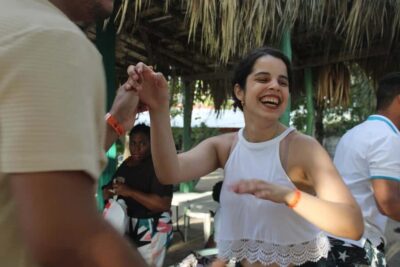
After the fundamentals, you add personal flair. Styling isn’t just hand-flourish; it’s how you express the music through posture, movement choices, and confidence.
You’ll be encouraged to develop your own expression instead of copying someone else’s exact look. For many dancers, this is the moment they start enjoying the dance more than “performing correctness.”
5) Practice with real guidance
Finally, there’s dedicated practice time. Your instructor stays close, gives individual feedback, and helps you feel comfortable enough to repeat what you just learned.
This last part matters because it’s where learning turns into muscle memory. Even if you only remember 70% of what you’re taught, that 70% will feel usable once you practice it right away.
Salsa and bachata basics: what you’ll leave knowing
Salsa and bachata are different in feel, and a good lesson respects that. In this class, you’re not just grabbing steps—you’re learning how each style’s rhythm shows up in your movement.
For salsa, you’ll get the basics that help you move with timing and partner connection. For bachata, you’ll build a foundation that supports the style’s distinct musical phrasing and smoother weight shifts.
A key point from the way people describe their results: the teacher often focuses on more than footwork. You come away with awareness—how your body expresses the beat and how to align that with what the music is saying.
If you’re trying to dance at a local bar later that week, this is the kind of grounding that helps you follow without panicking.
Some students also report being offered extra insight on closely related rhythms like merengue. You shouldn’t assume that’s guaranteed, but it reflects the instructor’s approach: if your curiosity matches the session, you may get bonus context.
Partner dancing without stress: getting past the awkward stage
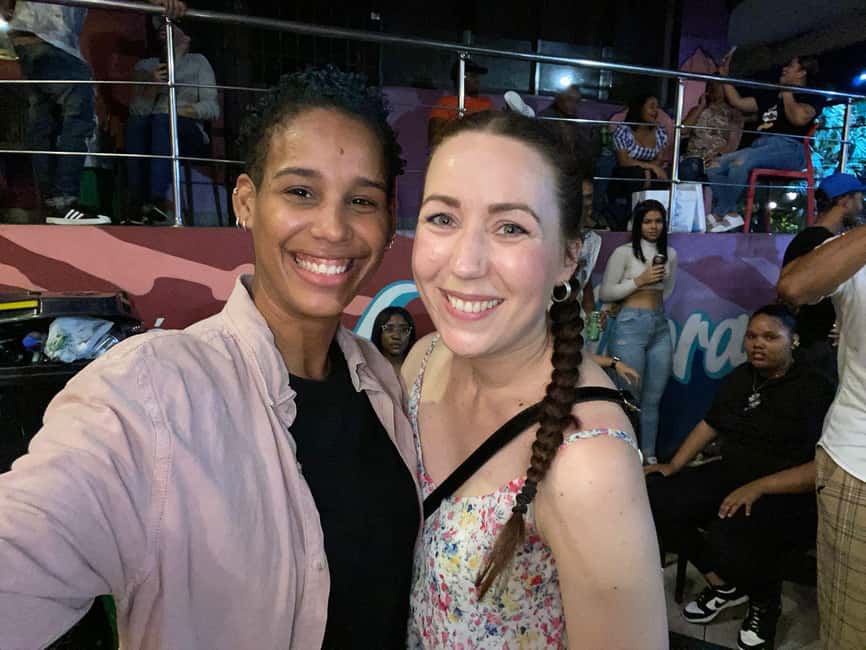
Partner work can scare people off. The good news: this class teaches it step-by-step with attention to connection.
You’ll learn how to move together, not just how to “do a pattern.” That means you’re paying attention to timing cues and balance. Instead of each person guessing, you build a shared rhythm.
If you’ve ever felt disconnected on the dance floor, look for these specific cues your instructor will likely emphasize:
- where your partner’s timing should meet your timing
- how to stay steady while the lead/follow pattern changes
- how to keep your frame relaxed but consistent
People describe the lesson as making them feel comfortable quickly, including those who were arriving late because of Santo Domingo traffic. That tells me the instructor is used to adjusting on the fly so you still get value from the hour.
Getting it where you’re staying: hotel or Airbnb options
You’ll typically meet at Parque Iberoamérica, but there’s also the possibility to arrange the lesson to the comfort of your home, hotel, or Airbnb apartment, depending on where you are.
This option can be worth considering if:
- you’re staying far from the park area
- you want a more private-feeling setup
- you’d rather not coordinate transport
One practical note: don’t assume every location works the same for space. Before you count on it, I’d contact first and confirm it fits your surroundings and comfort level.
Price and value: $40 for a focused hour of coaching
At $40 per person for one hour, the value comes from what’s included: private instruction designed around you, plus coaching through both salsa and bachata fundamentals.
In a city like Santo Domingo, where you can find group dance events and nightlife, the temptation is to spend less and learn “somehow.” This lesson skips the guesswork. You pay for direct feedback and a teaching pace that fits your body and experience.
Think of it like this: one-on-one coaching helps you correct quickly. That can save you days of frustration later. For couples, it’s also a fun way to create a shared skill—especially if one person is brand-new and the other has more experience.
If you’re the type who likes to learn fast and then practice immediately afterward, this hour is a very efficient use of time.
Who this class is best for (and who should pick something else)
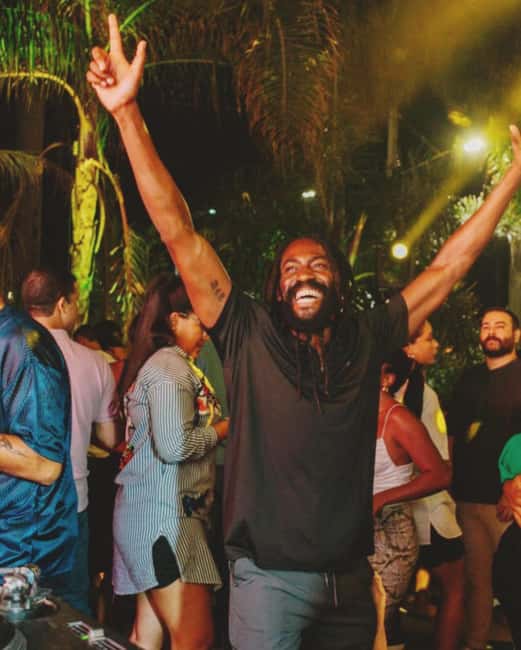
This lesson is designed for adults and for people of all levels, including complete beginners. It’s also described as wheelchair accessible.
You should consider other options if:
- you’re under 12 years old
- you have low fitness level and feel you might struggle with movement during the hour
If you’re traveling solo, you’ll still benefit from the structure—especially the rhythm listening and fundamentals. And if you’re traveling as a couple, partner work is the big payoff: you’ll leave with a tool for social dancing, not just steps.
Tips to get more out of your lesson
Want to maximize the value of your one-hour session? Here are the practical moves that help:
- Wear comfortable shoes that let you feel the floor. You want control, not slipping.
- Tell your instructor your goal before you start. Are you trying to dance socially, impress a partner, or learn the basics for a night out?
- Pay attention to rhythm cues instead of chasing every step. If you nail the timing, the moves become easier.
- Practice right after class. The learning sticks better when you repeat it while it’s still fresh.
Some people have also ended the session with recorded practice, so if that’s something you’d like, ask your instructor what’s possible.
Should you book this Santo Domingo salsa and bachata class?
I’d book it if you want a short, high-impact lesson with real teaching—not just music playing and hoping for the best. The combination of private coaching, beginner-friendly fundamentals, and partner connection makes it a smart choice for both couples and solo travelers.
Skip it only if you’re looking for a multi-hour, full routine breakdown with lots of repetition. This is a foundation builder, and that’s the strength: it gets you moving with confidence fast.
FAQ
Where is the meeting point?
You meet inside Parque Iberoamérica. The instructor meets you at the cafe in the center of the park.
How long is the class?
The class lasts 1 hour.
Is it private or group instruction?
It’s private instruction tailored to you.
What dance styles will I learn?
You’ll learn salsa and bachata.
What language is the class taught in?
The instructor teaches in English.
How much does it cost?
It costs $40 per person.
Hands-On Around Santo Domingo

More Tour Reviews in Santo Domingo


Deeper into the Colonial Zone

New Santo Domingo reviews, straight off the island
- Santo Domingo Colonial Zone City Tour★ 3.1 · 3 reviews
- “Private Airport Transfer from Santo Domingo (SDQ)”★ 3.5 · 3 reviews
- Santo Domingo to La Romana transfer★ 5.0 · 3 reviews
- A Private day in the First city of the Americas: Santo Domingo★ 5.0 · 3 reviews
- Santo Domingo: Paradisiac Waterfall & Lunch Cooked Over Wood★ 5.0 · 3 reviews
- Santo Domingo: Guided City Tour with Lunch★ 4.9 · 3 reviews
Santo Domingo & the Colonial Zone, compared.
 ★ 4.5Full-Day Santo Domingo City Tour from Punta CanaFrom $954,500 reviews
 ★ 3.5Day Trip to Santo Domingo from Punta CanaFrom $55659 reviews
 ★ 3.8Santo Domingo Day Trip with Tickets and LunchFrom $82584 reviews
 ★ 4.1All Inclusive Santo Domingo Full-Day City TourFrom $70553 reviews
 ★ 4.8Santo Domingo: Los Tres Ojos, Boca Chica & MoreFrom $87219 reviews
 ★ 4.0Historical Santo Domingo Day Trip from Punta CanaFrom $95176 reviews
 ★ 4.9Colonial Zone: Historical Tour with a visit to the Columbus Lighthouse and Tres Ojos ParkFrom $5157 reviews
 ★ 3.6From Bavaro: Santo Domingo Colonial City TourFrom $85129 reviews
Browse the lists this tour appears in