
Reviewed · DESSERT TOURS
Dominican Republic: 3-Hour Chocolate Lovers Tour
Cacao goes from farm to finished bar, and this tour keeps the story hands-on. I like that it pairs cacao plantation time with expert explanations, then ends with a guided tasting that teaches you how to notice what matters.
I also love the chance to sow your own cacao plant, even if you only do it for a moment. That small act makes the rest of the process feel real, from pods to fermentation and drying.
One thing to consider: the advertised duration is 3 hours, and the experience can run closer to about 2.5 hours depending on the day’s pace.
In This Review
- Key Things I’d Book This For
- Why Cacao Education in the Dominican Republic Feels Practical
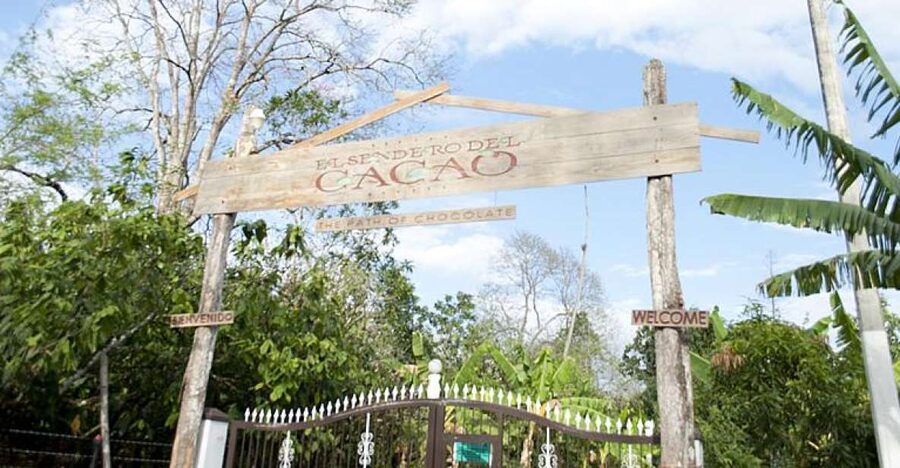
- Getting Oriented at El Sendero del Cacao (Duarte)
- The Organic Plantation Walk: Where Quality Starts
- What you should pay attention to on the farm
- Sowing Your Own Cacao Plant: A Small Moment With Big Meaning
- Harvesting to Extraction: Pods, Beans, and the First Changes
- Fermentation and Drying: The Two Steps You’ll Remember
- Following Your Nose: The Chocolate Factory Segment
- Lunch Included: The Reset That Makes the Learning Stick
- A Chocolate Tasting Built on the Five Senses
- Second Plantation Visit: Small-Scale Processing, Clear Comparisons
- Price and Value: Is $83 Worth 3 Hours?
- Who This Tour Fits Best (and Who Might Want Something Different)
- Practical Tips So You Get the Most From It
- Should You Book This Dominican Chocolate Lovers Tour?
- FAQ
- How long is the Dominican Republic Chocolate Lovers Tour?
- What’s included in the ticket price?
- Where does the tour meet?
- Are transportation costs included?
- What languages is the tour offered in?
- What should I bring?
Key Things I’d Book This For
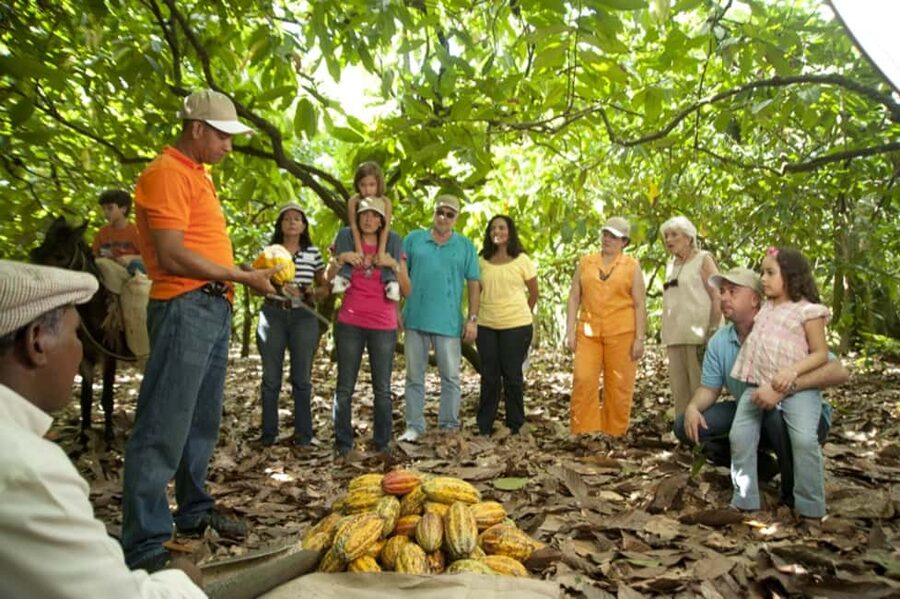
- Organic cacao plantation access with clear “why quality matters” explanations
- Sowing your own cacao plant for a memorable, participatory moment
- Smell-led route to the chocolate factory, tying aroma to technique
- Fermentation and drying focus, the steps that make or break flavor
- Five-senses chocolate tasting that actually teaches you how to taste
- Lunch included, so you can recharge without rushing the learning
Why Cacao Education in the Dominican Republic Feels Practical
This isn’t the kind of chocolate tour that’s only about tasting a few samples and calling it a day. You’ll walk through the real stages of making quality cacao, and you’ll connect each step to the flavor outcome. That’s the difference between sipping chocolate and understanding it.
The Dominican Republic is especially suited to this topic because fine cacao depends on conditions in the ecosystem and on careful post-harvest handling. You’ll spend time learning what those conditions are, and why the work after harvesting matters as much as the farm itself.
If you’re the type who likes to ask questions while you eat, you’ll enjoy this format. The guided pace keeps things moving, but it gives you enough time to understand the logic behind each step.
Getting Oriented at El Sendero del Cacao (Duarte)
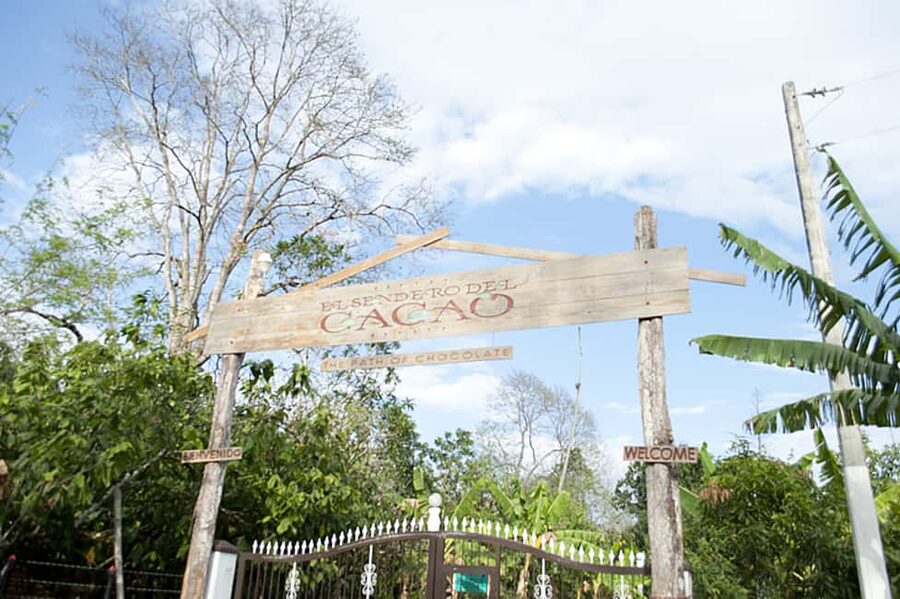
The tour meets at El Sendero del Cacao, Duarte, 31000, Dominican Republic. Plan to arrive with comfortable shoes and clothes you don’t mind getting a bit warm or dusty. You’re stepping into a working farm environment, not a museum lobby.
You’ll meet your live guide, and the tour is offered in English, Spanish, or French. If you’re traveling as a mixed-language group, it helps to know the tour has options that fit different comfort levels.
Also: the tour is wheelchair accessible, so you’re not joining this experience only if you’re comfortable on uneven ground. Still, wear supportive footwear because farm paths can be unpredictable.
Other Santo Domingo bookings that hold their own
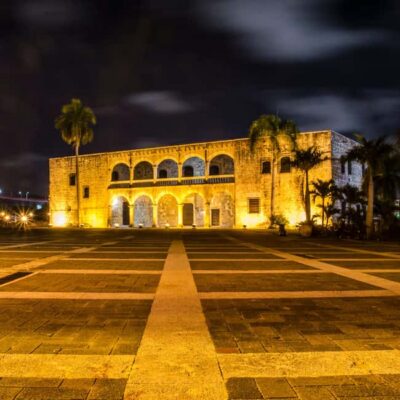
- Zona Colonial: Recorrido Histórico con Chocolate y Mamajuana
★ 4.8 · 76 reviews - Santo Domingo: Chocolate Tour + Optional Workshops
★ 4.5 · 60 reviews
The Organic Plantation Walk: Where Quality Starts
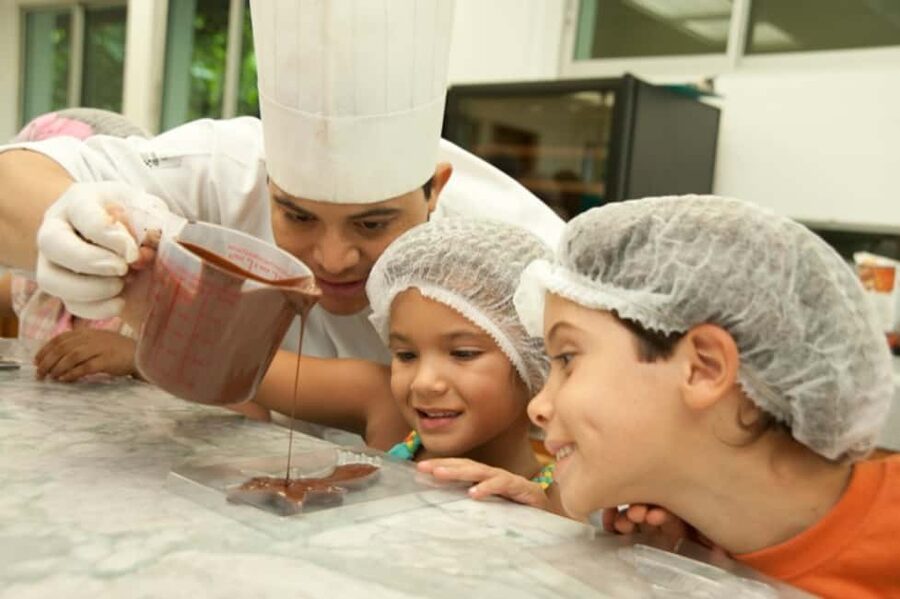
The first major highlight is the visit to an organic cacao plantation. This is where the tour earns its name for chocolate lovers who want more than a snack. You’re learning about the secrets behind quality chocolate, and those secrets start with how cacao is grown and cared for.
You’ll hear explanations about the ecosystem conditions that support fine cacao, and why that matters for what ends up in your cup later. This is one of those topics that can sound abstract, but the guide’s job is to make it practical: what the farm does, what the fruit does, and how that becomes flavor.
What you should pay attention to on the farm
- The way cacao is described as a plant, not a product
- How the guide links growth and harvesting to later flavor steps
- Any sensory cues you’re invited to notice, especially aroma
Sowing Your Own Cacao Plant: A Small Moment With Big Meaning
Then comes one of the most memorable parts: you can sow your own cacao plant. Even though you won’t be taking a rooted tree home, it’s more than a photo op. It’s a “you’re part of this” moment that makes everything after it click.
Sowing is a quick action in the tour flow, but it changes how you experience the rest. When you later hear about harvest, cutting, and extraction, you’ll think about the whole chain instead of just the finished product.
I like activities like this because they help you slow down. You stop rushing the story because you’re literally starting it.
Harvesting to Extraction: Pods, Beans, and the First Changes
After you’ve started with the farm, the tour moves into the steps that turn cacao fruit into usable cacao beans. You’ll learn the process beginning with sowing, then continuing through harvest and the handling of pods.
Expect to hear about cutting and extraction of the grains in the cacao pod. This part matters because the beans don’t become great chocolate by accident. The tour frames early handling as groundwork for later success.
You’ll also learn how harvesting connects to timing and quality. That theme comes back later with fermentation and drying, which the tour treats as determining factors.

Fermentation and Drying: The Two Steps You’ll Remember
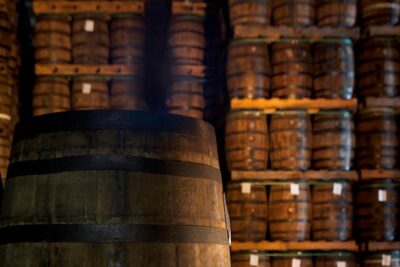
If you only remember one technical idea from the tour, make it this: fermentation and drying are determining factors in chocolate quality. The guide will explain why, and you’ll hear these steps described as shaping the flavor path before the beans ever reach “chocolate” at all.
This is where the tour gives you real value. Most chocolate experiences skip past the parts that actually create taste differences. Here, you’re taught that fermentation is not optional, and drying isn’t just “letting it sit.” Both affect the final result you’ll smell and taste later.
This focus helps you understand why two chocolates from different batches can feel completely different, even if they look similar.
Following Your Nose: The Chocolate Factory Segment
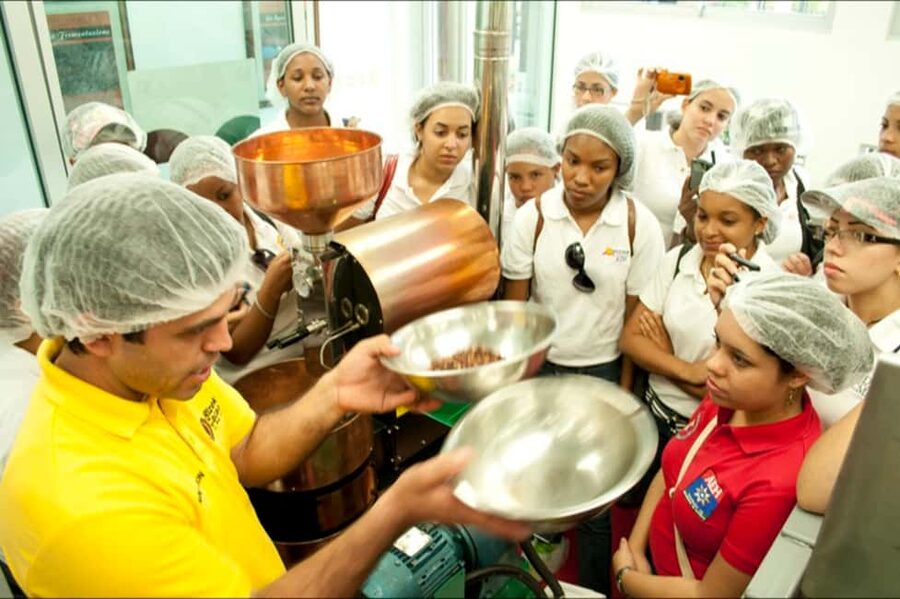
One of the most fun parts is how the tour uses senses. You’ll follow your sense of smell toward the chocolate factory, where you learn the final process in making exquisite chocolate.
This isn’t just “walk to the next room.” It’s an instruction to notice aroma changes as things shift from raw processing to finished chocolate work. That makes the learning feel less like a lecture and more like a guided experiment.
I like that the tour doesn’t hide behind science language. It’s more practical: you connect aroma to what the factory is doing, then you carry that awareness into tasting.
Lunch Included: The Reset That Makes the Learning Stick
After the main cacao content, you’ll have an excellent local lunch. This is a smart design choice. It keeps you from turning the entire tour into nonstop tasting and talking.
Lunch also helps you keep perspective. You’re not just learning about chocolate chemistry; you’re experiencing a slice of Dominican food life in the middle of the day.
Hot chocolate is included as well, which fits naturally after the farm work. If you’ve been outside, warm up and take notes. You’ll likely notice later that your brain ties the flavor you’re tasting to what you just learned, not just to what you ate.
A Chocolate Tasting Built on the Five Senses
Then you get to the tasting session. The tour teaches how to taste chocolate using your five senses. That’s a good approach because people often taste like they’re choosing a candy they either love or dislike.
Instead, you’ll learn a method: how to observe aroma, how to notice texture, and how to pay attention to taste progression. Even without technical jargon, this kind of structure helps you describe what you experience, which makes the tasting more satisfying.
This is also where your earlier learning pays off. If you understood fermentation and drying, you’ll likely feel more confident connecting the flavors in the chocolate to what happened to the beans.
Second Plantation Visit: Small-Scale Processing, Clear Comparisons
You also visit another plantation. This one lets you observe more automated cacao processing at a small scale. That adds a useful comparison: farm reality isn’t always identical, and processing methods can vary.
You’ll learn more about fermentation and drying again, but with the fresh context of what you’re seeing in the processing setup. This repetition isn’t boring. It’s the way your brain retains key ideas: you see one thing, hear the technique again, and then connect it to aroma and taste.
This part is great for chocolate lovers who like pattern recognition. You’ll start to notice the same “quality levers” showing up across different steps and setups.
Price and Value: Is $83 Worth 3 Hours?
At $83 per person for a guided 3-hour experience that includes lunch and hot chocolate, you’re not paying just for tastings. You’re paying for access to cacao plantations, guided education, and a tasting session built around technique.
Here’s how I’d think about value:
- You get multiple learning stops, not a single quick viewing.
- You get participation (sowing your own plant), which tends to justify time-based tours.
- You get meals included, which reduces the hidden cost of a half-day outdoors.
- You learn the steps that affect flavor, especially fermentation and drying, not just the marketing story.
One practical consideration: some days can feel like a tighter schedule than the “3 hours” label suggests. If you’re timing a later activity, plan a small buffer after the tour ends.
If chocolate is a real interest for you, this price often feels fair because you leave with knowledge you can use next time you buy chocolate.
Who This Tour Fits Best (and Who Might Want Something Different)
This is ideal for:
- Chocolate lovers who want the farm-to-bar story
- People who enjoy sensory experiences and guided tasting
- Travelers who like hands-on moments, not only viewing and photos
It might be less ideal if you want:
- A long, slow nature hike with lots of downtime
- A purely relaxation-focused outing
- A tour with lots of shopping or nightlife plans right after
It’s a “do and learn” kind of trip. That’s the point.
Practical Tips So You Get the Most From It
A few simple things make a big difference:
- Wear comfortable shoes you can walk in, because cacao farm paths can be uneven.
- Bring comfortable clothes for warm, outdoor conditions.
- Go in ready to use your senses. The tour literally encourages following your sense of smell and tasting with your five senses.
- If you’re tight on time, build in a buffer. The tour can run about 2 hours 30 minutes at a brisk pace.
Also keep your expectations aligned with a learning experience: the goal is education plus tasting, not only sampling the biggest variety of chocolate bars.
Should You Book This Dominican Chocolate Lovers Tour?
If you want chocolate that tastes better because you understand why it tastes that way, book it. The standout parts are the organic plantation visit, the chance to sow your own cacao plant, and the way the tasting is structured around the five senses. Those elements make it more memorable than a typical “chocolate tasting event.”
I’d also recommend it if you care about value. Lunch and hot chocolate are included, and the tour format connects what you see on the farm to what you taste at the end.
If you’re looking for a fast, shallow experience, skip. But if you’re a true cacao fan, this is the kind of outing that gives you new eyes for every chocolate bar you meet afterward.
FAQ
How long is the Dominican Republic Chocolate Lovers Tour?
The tour duration is listed as 3 hours.
What’s included in the ticket price?
It includes a guided tour, lunch, and hot chocolate.
Where does the tour meet?
The meeting point is El Sendero del Cacao, Duarte, 31000, Dominican Republic.
Are transportation costs included?
No. Transportation is not included.
What languages is the tour offered in?
The live guide is available in English, Spanish, and French.
What should I bring?
Wear comfortable shoes and comfortable clothes.
More Dessert Tours in Santo Domingo

More Tour Reviews in Santo Domingo

New Santo Domingo reviews, straight off the island
- Santo Domingo Colonial Zone City Tour★ 3.1 · 3 reviews
- “Private Airport Transfer from Santo Domingo (SDQ)”★ 3.5 · 3 reviews
- Santo Domingo to La Romana transfer★ 5.0 · 3 reviews
- A Private day in the First city of the Americas: Santo Domingo★ 5.0 · 3 reviews
- Santo Domingo: Paradisiac Waterfall & Lunch Cooked Over Wood★ 5.0 · 3 reviews
- Santo Domingo: Guided City Tour with Lunch★ 4.9 · 3 reviews
Dessert Tours, compared.
 ★ 5.04×4 Dominican Adventure with Chocolate and Coffee TastingFrom $592,920 reviews
 ★ 5.04×4 ATV Experience, Water Cave, Chocolate and Coffee TastingFrom $561,430 reviews
 ★ 5.0Buggy Adventure Tour with Chocolate and Coffee in Punta CanaFrom $45953 reviews
 ★ 5.0Buggy Ride Into the jungle with cave coffee & chocolate tastingFrom $53465 reviews
 ★ 4.8Zona Colonial: Recorrido Histórico con Chocolate y MamajuanaFrom $576 reviews
 ★ 5.0ATV OR BUGGY Ride Into the jungle with cave coffee & chocolateFrom $5573 reviews
 ★ 4.5Punta cana Boogie into the Jungle with Coffee and Chocolate TasteFrom $4464 reviews
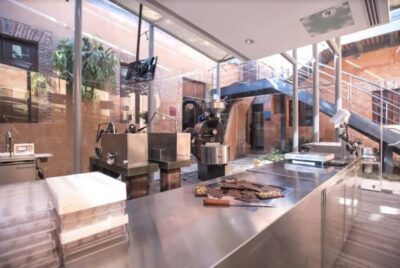 ★ 4.5Santo Domingo: Chocolate Tour + Optional WorkshopsFrom $2160 reviews
Browse the lists this tour appears in