
Reviewed · HISTORICAL TOURS
History of Slavery Guided Tour
Sugar, rum, and slavery in one long day. In Santo Domingo’s Old Town, you’ll connect street wall paintings and religious syncretism to the real mechanics of colonial exploitation, then carry that story into the Rum Museum and surviving sugar-factory spaces. What I like most is how the guide ties symbols you can see on the walls to tools and labor you can picture in your mind—and you get a clear, calm explanation all the way through.
One thing to consider before you book: this is a long day with walking on uneven old streets and at heritage sites, and it’s not a good fit if you have mobility limits or you’re over 65. Still, the payoff is strong if you’re up for history on the move.
In This Review
- Key highlights worth your attention
- Walking the slave-market streets of Ciudad Colonial
- Ingenio Boca de Nigua: ruins, photos, and the logic of production
- The Rum Museum: where labor tools make history feel real
- San Cristóbal Province: sugar-factory remains and rebellion in the Caribbean
- First hydroelectric sugar factory: why technology didn’t mean freedom
- Lunch in the Dominican Republic: banana-leaf comfort food
- Back through Ciudad Colonial: finishing with context, not clutter
- Price and value: what $190 buys you in time and teaching
- Who should book this slavery history tour, and who should skip it
- Should you book it?
- FAQ
- What is the duration of the tour?
- Where does the pickup happen?
- What time does the tour start and end?
- How big is the group?
- What languages is the live guide available in?
- What’s included in the price?
- What isn’t included?
- What should I bring, and what should I avoid?
- Is the tour suitable for people with mobility issues or seniors?
Key highlights worth your attention
- Wall paintings tied to religious syncretism you’ll actually be able to spot as you walk
- Rum Museum with slave-made labor tools from the sugar-cane world
- Ingenio Boca de Nigua ruins plus a guided look at how production worked
- San Cristóbal sugar-factory remains linked to the first slave uprising in the Americas
- A banana-leaf Dominican lunch that breaks up the heavier material with something delicious
Walking the slave-market streets of Ciudad Colonial
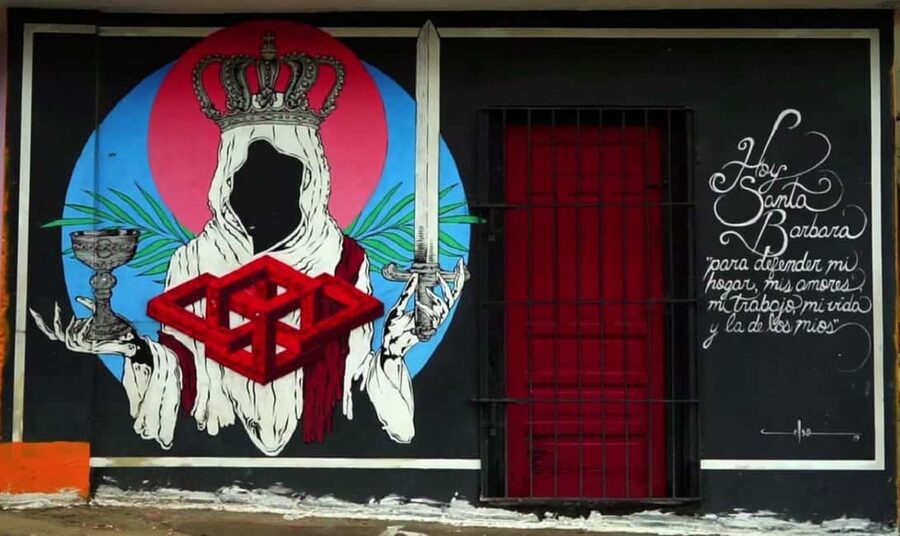
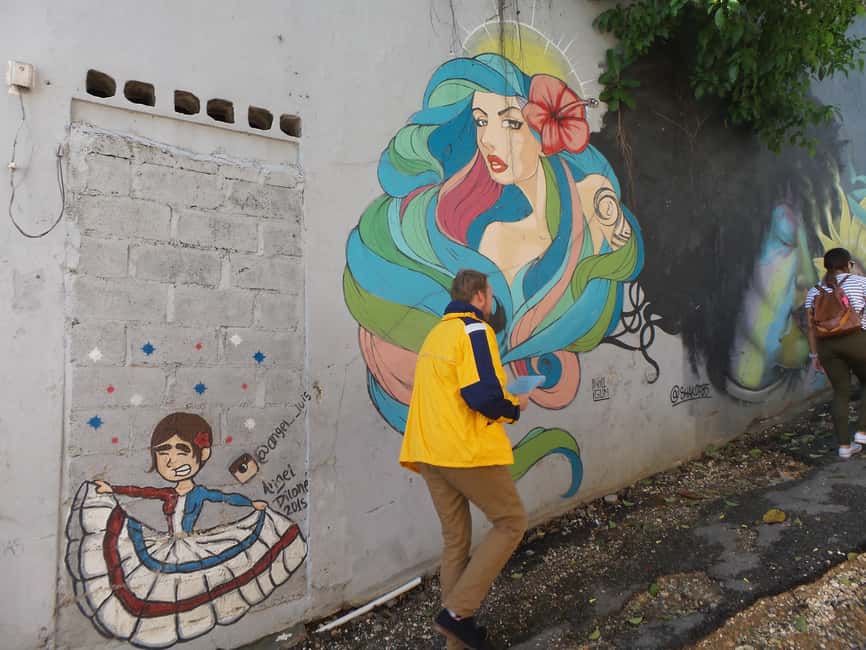
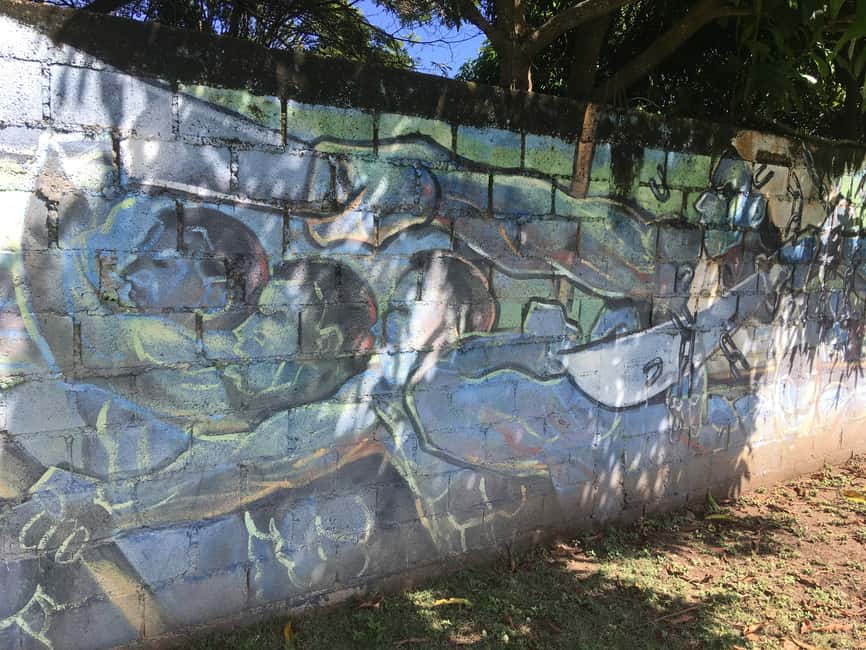
The day starts in Zona Colonial, and right away you get the most useful kind of context: you learn to read the city. The route includes a walking stretch through Santo Domingo’s older lanes, partly covered with wall paintings that reference slavery-related history and religious syncretism.
This matters because slavery wasn’t only a plantation story. It was also a story of belief, social power, and forced adaptation. The paintings are a visual shortcut to something your brain might otherwise treat as distant. You also get the sense of scale—how close daily life was to the systems that produced profit for others.
The pacing here is steady: you’re walking, stopping, looking, listening, and asking questions. Because the group is kept small (up to 6 participants), you’re less likely to get lost in the shuffle. And based on real feedback, the guides put effort into clear explanations and staying responsive; people specifically praised the guide’s command of the subject and helpfulness, including a standout guide named Jose, with Daniel driving the bus smoothly.
Practical note: this portion includes time on foot through old streets. Bring comfortable, closed-toe shoes and expect sun. Even if you think you’ll be fine, the day can feel longer than the clock says.
Ingenio Boca de Nigua: ruins, photos, and the logic of production
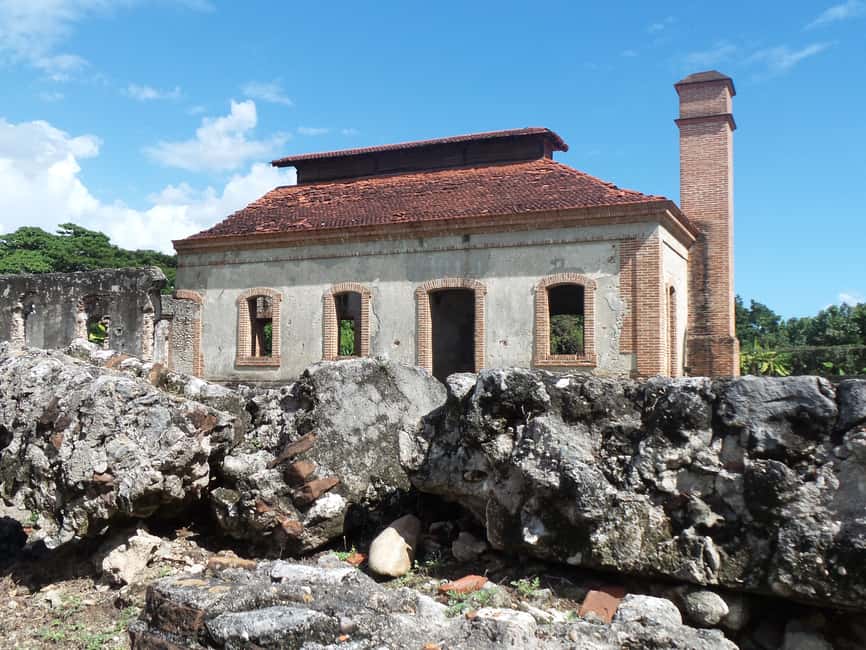
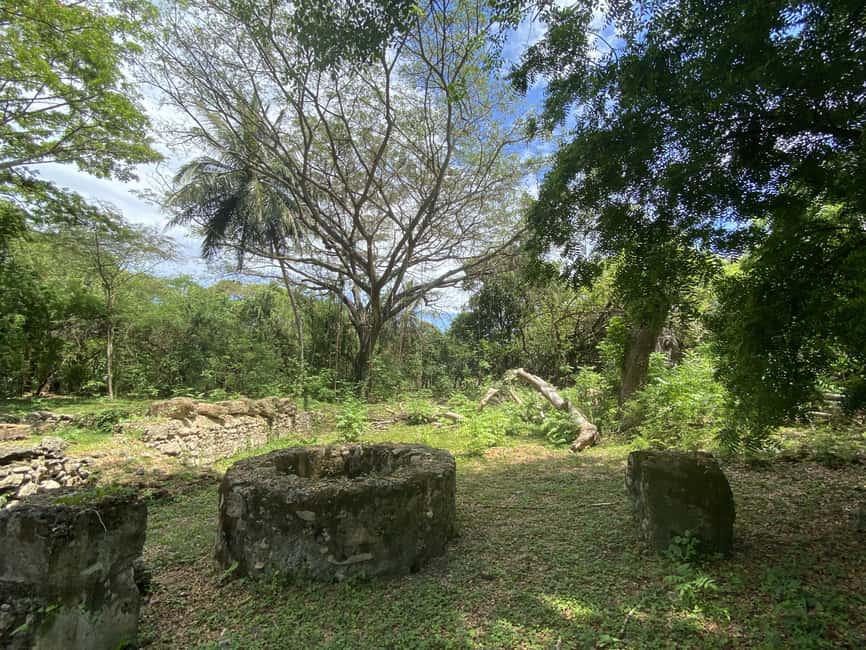
After the bus ride, you reach Ingenio Boca de Nigua for a photo stop and a guided site visit. The stop also includes a walk (around half an hour), which is enough time to pick out what’s preserved—and what’s missing—so you can understand how the place used to function.
What makes this stop valuable isn’t just the brick and stone. It’s the change in your mindset. Early on, it’s easy to treat slavery as a chapter in a book. At a working-production ruin, the story turns physical: you start seeing production as a system with steps, labor, and tools. That’s the bridge that sets up the Rum Museum later.
If you’re the type who wants details, this is where you’ll benefit from watching how the guide describes labor roles and production constraints. The tour emphasizes the working conditions for enslaved people during the colonial period, and you’ll likely come away thinking about how “industry” was built on coercion.
Small downside: this is an outdoors-heavy visit, so you’ll want shade where you can find it and keep water in mind. The tour provides lunch later, but there’s no guarantee you’ll have a long break here.
More of the Santo Domingo story, told tour by tour
- Colonial Zone: Historical Tour with a visit to the Columbus Lighthouse and Tres Ojos Park
★ 4.9 · 157 reviews - Santo Domingo Cultural Tour
★ 4.0 · 61 reviews - From Santo Domingo: Full day Historical Tour with Lunch
★ 4.4 · 46 reviews - Santo Domingo: Historical City Tour
★ 4.9 · 42 reviews
The Rum Museum: where labor tools make history feel real
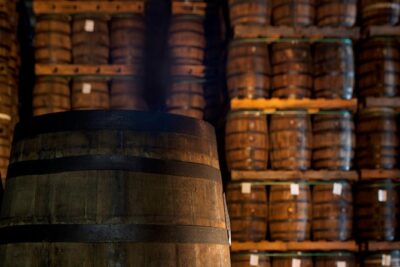
Then comes a key pivot of the day: the Rum Museum. This is where the tour shifts from streets and ruins into objects—specifically, the tools enslaved people used in sugar factories.
Tools are persuasive. They’re not moral arguments; they’re evidence. Seeing the equipment described and explained helps you picture how work actually happened: repetitive tasks, physical strain, and the relentless rhythm of production. That’s especially important because sugar and rum weren’t just drinks. They were export products tied to plantation labor and the technology that processed cane into profit.
The best part is how the guide connects what you see to what enslaved people were forced to do. You don’t just learn that the system existed; you learn how it operated day after day.
Also, the museum component gives you a useful break from walking. Even if you still have sun and heat outside, the museum time gives your feet a chance to recover and your brain a chance to absorb. People consistently rate the guide’s explanations highly, and that’s exactly the difference between a museum stop that passes by and one that sticks.
San Cristóbal Province: sugar-factory remains and rebellion in the Caribbean
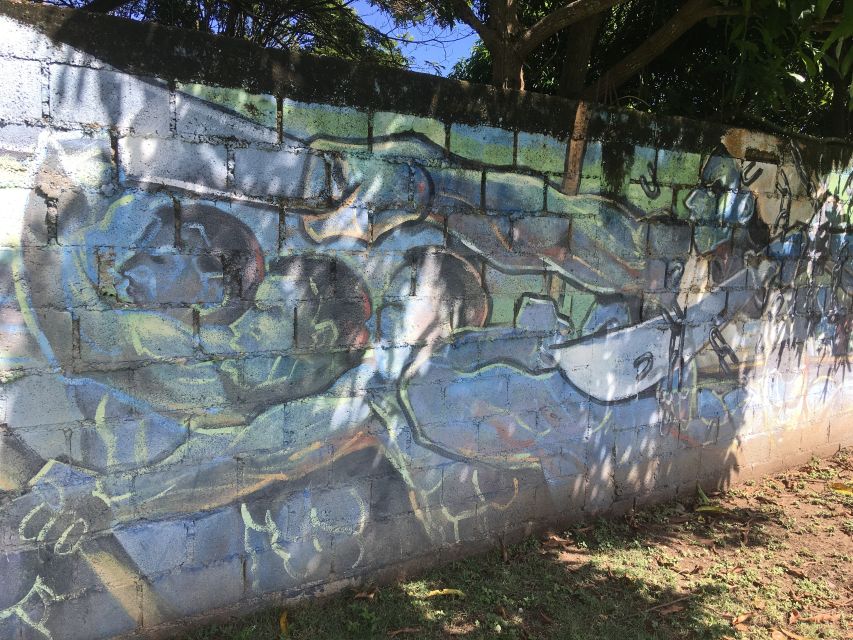
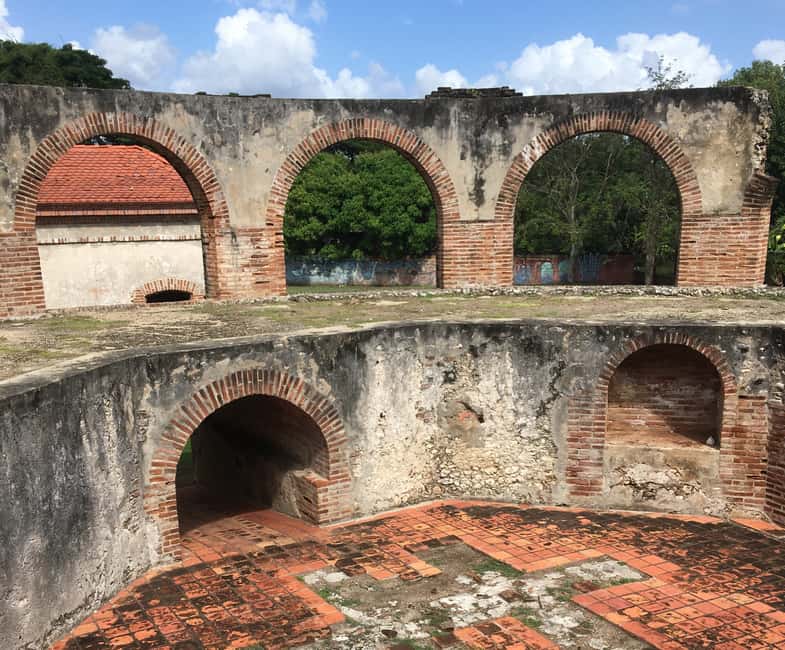
Next, the day heads west toward San Cristóbal Province, and this is the stop with the biggest historical claim on the route. Well-preserved structures of antique sugar factories help you understand sugar and rum production powered by oxen—and powered above all by enslaved labor.
But the tour doesn’t stop at production. It connects these buildings to a dramatic event: the first slave uprising in the Americas, which took place in this region (as presented on the tour). That turns the landscape into something more than scenery. You’re not just looking at old industry; you’re standing near the places where resistance was born from unbearable conditions.
This is where the tour’s structure really pays off. You’ve already seen street symbolism and museum tools. Now you see the broader environment: a landscape shaped for extraction. Then the guide adds the human story of revolt—so you leave with both the machinery and the agency (and danger) that came with resisting.
One note: this segment includes time that may involve stopping for street food. The tour data doesn’t say that street food is included in the price, so if you want to try it, plan to pay for anything you buy. Either way, it’s a nice change from museum talk—just know you’ll be back on your feet again afterward.
First hydroelectric sugar factory: why technology didn’t mean freedom
After seeing the antique factory spaces, you visit the first hydroelectric sugar factory. This stop can be a little thought-provoking in the best way. It highlights how production systems evolved—using water power instead of only animal power—while the forced labor system remained.
It’s a hard lesson, but a useful one: technology didn’t automatically bring justice. It often just made exploitation more efficient. In other words, you may come away thinking about the long arc of modernization and the way humans can use innovation to intensify harm rather than reduce it.
If you like history that doesn’t just name facts but helps you interpret them, this is a strong moment. The guide’s role matters here. Without explanation, these buildings can look like “cool old structures.” With explanation, they become a diagram of power.
And because the tour keeps a small group, you can ask your questions at the right moments instead of waiting. People praised the guide’s attentiveness and clarity, and you’ll feel that difference when you’re trying to connect different sites into one coherent story.
Lunch in the Dominican Republic: banana-leaf comfort food
By the time you reach lunch, you’ll appreciate the change of pace. You eat at a typical Dominican restaurant, served a local specialty made with dough stuffed with meat and steamed in banana leaves. It’s hearty, fragrant, and simple—exactly the kind of food that keeps the day grounded.
This lunch matters for a reason that’s more than taste. The theme of the tour is heavy. A good meal helps you process it instead of just rushing from one lesson to the next. You also get a chance to chat with your group and reset your brain for the final walk back through the Old City.
Lunch includes 1 drink, which is a nice touch when you’re on a long schedule. Still, if you’re the type who likes extra hydration, bring your own water or plan accordingly—especially in warm weather.

Back through Ciudad Colonial: finishing with context, not clutter
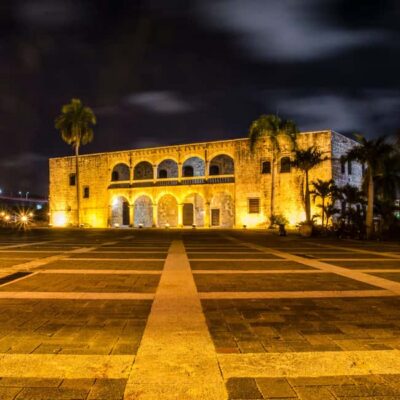
Toward the end, the tour returns to Ciudad Colonial with time for a photo stop and guided sightseeing plus another walking stretch (about an hour).
This closing segment works best when you slow down and look at details. You’re already trained by earlier stops to connect symbols, buildings, and labor systems. Now you can scan the area with new eyes: where religion and everyday life intersected, where commerce and power left their marks, and how the city’s layout supports storytelling.
Because the group is small and the guide is a live presence, you can end the day with questions—things that popped up earlier, or connections you didn’t have time to make on the spot.
At this point, the only real drawback is physical. If you have limited stamina, the repeated walking can add up. The tour ends around 3:00 PM to 4:00 PM (depending on timing), so start thinking about your energy early, not at the last hour.
Price and value: what $190 buys you in time and teaching
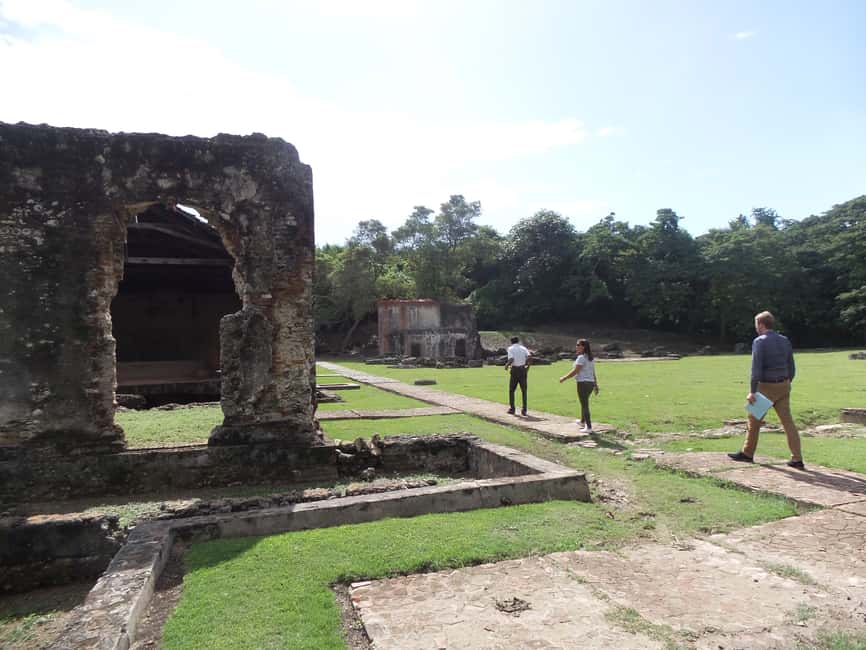
The price is $190 per person, and for a 6–7 hour small-group history tour, the value comes from what’s included.
You’re not just paying for a guide’s talk. The package covers transport, entry to the Rum Museum, entry to the ruins in Boca de Nigua, lunch (including 1 drink), and pickup within the Old City area of Santo Domingo (Zona Colonial). That’s meaningful because it reduces the hassle of coordinating sites across the city and out toward the sugar-factory areas.
You’re also paying for interpretation. The standout feedback highlights that the guide—Jose—kept explanations clear and accurate, with strong subject control, and that the driver Daniel contributed to a smooth, comfortable ride. On a tour like this, that matters. When you see multiple sites connected by one theme, a guide who can connect the dots makes the difference between collecting facts and building understanding.
Is $190 a deal? It depends on your priorities. If you want a quick overview, you might not love the price. If you want structured, site-to-site storytelling with museum time and preserved factory spaces, the cost starts to look reasonable.
Who should book this slavery history tour, and who should skip it
This tour fits best if you:
- Like history that connects people, places, and physical evidence.
- Want a guided explanation rather than reading alone.
- Prefer small-group pacing (max 6) so you can ask questions.
- Are comfortable walking for several hours in warm outdoor settings.
You should skip it (or choose a different format) if:
- You have mobility impairments or use a wheelchair, since the tour isn’t suitable for that.
- You’re over 65, since the tour isn’t recommended for that age group.
- You’re looking for an easy, minimal-walking sightseeing day.
If you do go, pack like you mean it: sunscreen, sunglasses, a sun hat, and closed-toe shoes. The tour also asks you not to wear high-heeled shoes, and it doesn’t allow pets, drones, alcohol and drugs, unaccompanied minors, party groups, nudity, or bare feet. You’ll thank yourself for following those rules—it keeps the day smooth.
Should you book it?
I’d book this if you want a serious, guided history day that treats Santo Domingo’s past as something you can still read in the streets, the museum objects, and the surviving factory structures. The small-group size and strong praise for Jose’s clear, attentive teaching (with Daniel handling the driving) make it feel less like a bus tour and more like a thoughtful guided walk-through.
I wouldn’t book it if walking and longer time outdoors are a problem for you, or if you need a low-effort experience. But if you’re up for a 9:00 AM start, several stops, and a lot of meaningful connections, this is one of the more grounded ways to understand slavery, sugar production, and resistance in the Caribbean.
FAQ
What is the duration of the tour?
The tour runs for 390 minutes, which is about 6–7 hours.
Where does the pickup happen?
Pickup is included from the Zona Colonial area (the Old City District). Pickup is available in accommodations in the Old City District; other parts of Santo Domingo may cost extra.
What time does the tour start and end?
It starts at 9:00 AM and ends around 3:00 PM to 4:00 PM.
How big is the group?
The group is small, limited to 6 participants.
What languages is the live guide available in?
The live guide offers interpretation in English, German, and Spanish.
What’s included in the price?
Included are transport, entry to the Rum Museum and the ruins in Boca de Nigua, lunch (including 1 drink), and a local tour guide.
What isn’t included?
Souvenirs and any other not-mentioned entries or fees aren’t included.
What should I bring, and what should I avoid?
Bring comfortable shoes, sunglasses, a sun hat, sunscreen, and closed-toe shoes. Avoid high-heeled shoes and note that pets, drones, alcohol and drugs, unaccompanied minors, party groups, nudity, and bare feet aren’t allowed.
Is the tour suitable for people with mobility issues or seniors?
No. The tour is not suitable for people with mobility impairments, wheelchair users, or people over 65.
The Santo Domingo Story, Tour by Tour
More Tour Reviews in Santo Domingo


New Santo Domingo reviews, straight off the island
- History of Slavery Guided Tour★ 5.0 · 4 reviews
- Santo Domingo: Saona Island Cataraman Food And Drink★ 4.7 · 4 reviews
- From Santo Domingo: Saona Island Day Trip with Lunch★ 3.9 · 4 reviews
- Full day tour Samana, Las Terrenas and El Limón from Santo Domingo★ 3.5 · 4 reviews
- Iconic Highlights and historical Tour in Santo Domingo★ 3.5 · 4 reviews
- Private Transfer from Santo Domingo Airport (SDQ)★ 4.0 · 5 reviews
Historical Tours, compared.
 ★ 4.5Half Day Dominican Republic Cultural Tour : Small GroupFrom $601,862 reviews
 ★ 4.7From Punta Cana: Higuey Expedition Cultural & Historic TourFrom $32518 reviews
 ★ 4.5From Punta Cana: History and Culture Tour with River SwimFrom $31275 reviews
 ★ 4.0Historical Santo Domingo Day Trip from Punta CanaFrom $95176 reviews
 ★ 4.9Colonial Zone: Historical Tour with a visit to the Columbus Lighthouse and Tres Ojos ParkFrom $5157 reviews
 ★ 4.0Full Day Santo Domingo City Tour: History of the Caribbean From Punta CanaFrom $6478 reviews
 ★ 3.7Discover Santo Domingo: Colonial History, Monuments & LunchFrom $8173 reviews
 ★ 4.8Puerto Plata: Half-Day Historic and Cultural Highlights TourFrom $4570 reviews
Browse the lists this tour appears in