
Reviewed · PUNTA CANA EXCURSIONS
Kiteboarding Lessons in Punta Cana
Learning to kiteboard here feels shockingly doable.
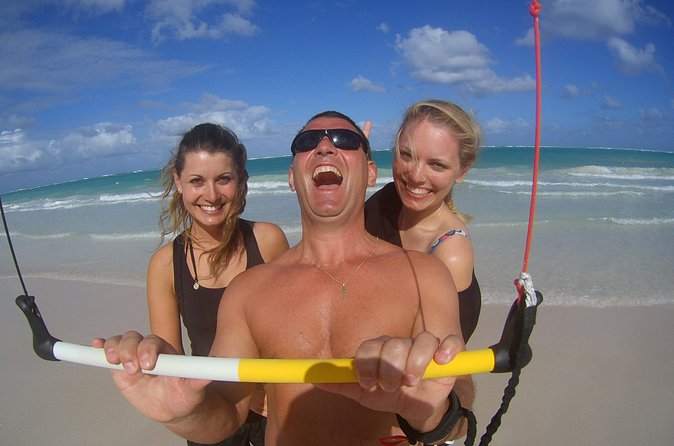
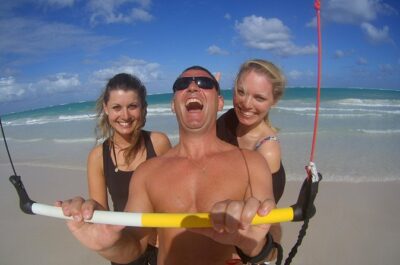
Punta Cana is the Dominican Republic’s kiteboarding sweet spot, and these lessons are built for real progress, not just a one-time thrill. I like how the training starts with wind theory (wind window and how the kite behaves) and then moves quickly into hands-on control with a trainer kite, so you understand what you are doing instead of guessing. I also like the structure across the 1-, 2-, or 3-day options, with daily 3-hour sessions that give you time to practice the exact skills the instructor is teaching. One thing to consider: you’ll need a calm, safe wind to learn well, and conditions can affect timing even though the activity says it runs in all weather.
The vibe on the water is also pretty motivating. Many students highlight patience and clear coaching from instructors like Humberto (and others mentioned such as Marino, Felix, and Nelson), including corrections via radio and instruction that feels technical without being intimidating. Still, kiteboarding is physically demanding enough that you should bring moderate physical fitness (think steady energy for board control, bodydragging, and repeated tries).
In This Review
- Key Highlights You’ll Feel Quickly
- Why Punta Cana Kite Lessons Work So Well
- The 1-, 2-, and 3-Day Format: Built Like a Skill Ladder
- Lesson Day 1: Wind Theory, Trainer Kite Control, and Steering
- Lesson Day 2: Full Kite Water Control, Relaunch, and Downwind Bodydragging
- Lesson Day 3: Upwind Recovery, Riding Both Directions, and First Waterstarts
- Gear, Safety, and Coaching Style (What You’re Actually Paying For)
- Where You Learn in Punta Cana (and Why Spot Choice Matters)
- Price and Value: Is $215 a Fair Deal?
- Getting the Most Out of Your Sessions
- Should You Book Kiteology DR for Punta Cana Kiteboarding Lessons?
- FAQ
- Do I need prior kiteboarding experience?
- How long is each lesson day?
- How big is the group?
- What should I bring or expect regarding equipment and safety?
- Is hotel pickup included?
- What about food and drinks?
- What happens if weather is poor?
Key Highlights You’ll Feel Quickly
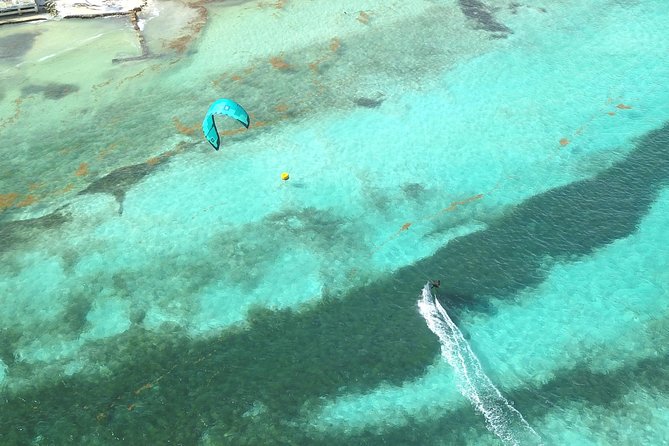
- Small-group teaching (max 4 people) keeps feedback fast and personal.
- Wind theory + wind window lessons means you learn how to think, not just what to do.
- Trainer kite first, then full-sized kite skills that actually transfer into riding.
- Skill ladder across 1 to 3 days, from steering to relaunch to waterstarts.
- Radio coaching and corrections get you adjusting in real time.
- Helmet included, and instruction focuses heavily on safety basics before you launch.
Why Punta Cana Kite Lessons Work So Well
If you’ve ever watched kiteboarding and thought it looks like controlled chaos, that’s normal. The sport really is technical: kite position, wind strength, and line tension all have to line up. What makes Punta Cana such a smart place to learn is that it’s known for kiteboarding conditions, and the teaching approach takes advantage of that.
This is not a lesson that treats beginners like a check-the-box activity. You start with the fundamentals of how the kite behaves, then you practice the motions that make you safer and more efficient on the water. In lessons like this, the payoff is that you leave knowing how to set up, steer, and recover—skills that matter even when you are not yet riding fully.
Also, the course options give you control. A 1-day setup is good if you want your first real taste and a guided first step. A 2-day course is where you start to feel like the sport is clicking. A 3-day course is for people who want to chase momentum instead of dispersing their effort across a vacation.
The 1-, 2-, and 3-Day Format: Built Like a Skill Ladder
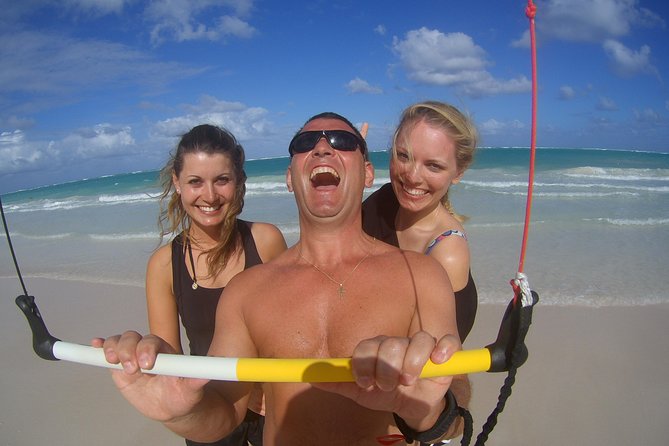
The heart of this experience is the way it layers skills. Each day is about a 3-hour class tailored to your level, so you are not stuck doing the same beginner tasks for the whole trip.
Here’s what that usually means in practice:
- You get the right instruction at the right time, so your attempts build on your last ones.
- You get enough repeated tries that mistakes turn into information.
- You spend less time waiting and more time on the exact technique being taught.
If you’re deciding between options, choose based on what you want when you get home. If you want a memorable first day and a strong start, go 1 day. If you want to progress into controlling the kite in the water, pick 2 days. If your goal is to work toward more complex moves like upwind bodydrags and waterstarts, you’ll likely be happier with 3 days.
The Punta Cana catalogue runs deep. More picks we have vetted
- Private Airport Punta Cana to La Romana Bayahibe or Casa de Campo Resort Area
★ 5.0 · 6,662 reviews - Punta Cana Zipline Adventure with Buggies and Horseback Riding
★ 5.0 · 5,001 reviews - Full-Day Santo Domingo City Tour from Punta Cana
★ 4.5 · 4,500 reviews - Punta Cana: Catamaran Boat to Saona Island with Buffet Lunch
★ 4.4 · 3,822 reviews
Lesson Day 1: Wind Theory, Trainer Kite Control, and Steering
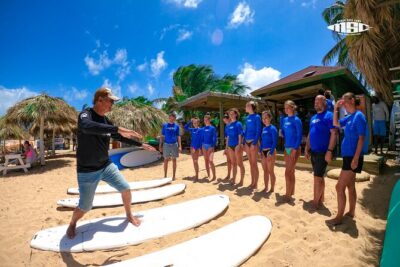
Day 1 is about building your mental map and muscle memory. Before you launch, you’ll get a safety briefing and get suited up. From there, the lesson moves into the basics that stop kiteboarding from being random.
You’ll start with:
- Wind theory: how wind behaves and how it affects your kite.
- The wind window: where the kite needs to sit for control and power.
- Equipment basics: learning what each part does and why it matters.
Then you move hands-on with a trainer kite. This is the smart first step because trainer kites let you practice piloting and steering without the full speed and power of a full-sized kite.
By the end of Day 1, you’re typically working on:
- Piloting the kite using the right controls
- Steering the kite, including learning to manage it with one hand (so you’re not locked into a complicated grip)
Why this matters for you: kiteboarding crashes happen when people don’t know what the kite is doing. This day gives you the language and the control habits to predict what comes next.
Lesson Day 2: Full Kite Water Control, Relaunch, and Downwind Bodydragging
Day 2 is where a beginner often starts to feel the sport for real. You shift from the trainer kite to a full-sized kite, and the lesson turns toward control in the water.
This day focuses on techniques such as:
- Water relaunch: getting the kite back into the right position to continue instead of restarting everything
- Downwind body dragging: moving with the pull and controlling your body position so you can work toward riding later
This is also where the learning becomes more physical. You’re not just steering from shore; you’re managing kite tension while your body and board are moving around. It can feel wild the first few attempts, but the goal is to teach you repeatable recovery habits.
If you’ve got only one day, you’ll still gain confidence. If you’ve got two, you’ll often leave with something more useful: the ability to handle kite power and recover, which is the difference between being stuck and being able to progress.
Lesson Day 3: Upwind Recovery, Riding Both Directions, and First Waterstarts
Day 3 adds the moves that separate beginner sightseeing from actual technique work.
You’ll work on more complex maneuvers such as:
- Upwind body dragging to help you recover position (so you can get back where you need to be)
- Riding the board in both directions
- Your first waterstarts (the moment you transition from moving with help to controlling how you ride)
This is the day for people who don’t want to stop at the basics. It’s also the day that tends to feel the most rewarding if you follow instructions closely. Waterstarts and upwind recovery require timing and body positioning, and you’ll usually notice improvement fastest when your instructor can correct you while you’re attempting.
Several instructors are mentioned by name in reviews, including Humberto, along with other coaching staff like Marino, Felix, and Nelson. Students specifically call out that coaching can happen through radio systems, which helps because you can get precise adjustments while you’re on the water instead of waiting until the end.
Gear, Safety, and Coaching Style (What You’re Actually Paying For)
The included essentials are straightforward:
- Professional guide
- Use of helmet
What you get beyond that is coaching that feels designed for learning. Reviews repeatedly highlight instructors who are patient, technical, and focused on correction. In plain terms: kiteboarding has a lot of moving pieces, so the value is having someone spot the exact mistake and explain how to fix it.
A few details that show up in feedback:
- Clear communication and demonstration, even when the sport is technical.
- Corrections delivered while you’re practicing, including via two-way radio.
- Some students note that improvements and performances can be recorded with a drone that follows you.
About equipment: while helmet use is explicitly included, the training itself mentions using a trainer kite and then a full-sized kite. Reviews also point to newer gear and multiple kite sizes being available. Still, if you’re arriving with specific expectations about equipment models, it’s worth confirming directly when you book.
One more practical point: the activity notes it operates in all weather conditions, but it also states the experience requires good weather. In kiteboarding, that usually means wind quality and safety come first. The best plan is to dress for wind and sun, and don’t assume every day will produce the same learning time.
Other Punta Cana bookings that hold their own

Where You Learn in Punta Cana (and Why Spot Choice Matters)
Punta Cana is not one single beach. Kiteboarding spots can differ based on wind direction, water depth, and how clean the surface is.
From course-related feedback, you might learn near places like:
- Pearl Beach Club in Bavaro (noted for learning conditions)
- Las Salinas (often described as a legendary kite spot)
- Dunas de Bani and other nearby kite areas
Some students also describe day trips to other kiting areas, like Ulvero Alto and trips toward Las Salinas. That doesn’t mean you’ll definitely go off-site, but it does suggest the instructors care about wind and conditions rather than forcing a one-spot routine.
Why this matters: in kiteboarding, “good wind” is only half the story. Water depth and how smooth the surface is can change how safe and learnable the session feels. If you’re a true beginner, you want a setup that helps you recover and practice without constantly fighting harsh conditions.
Price and Value: Is $215 a Fair Deal?
At $215.39 per person, this isn’t bargain-basement activity pricing, but it’s also not priced like a private coaching camp. The value comes from the structure and the coaching intensity.
Here’s what helps the cost make sense:
- 3-hour daily instruction, tailored to your level
- A small group capped at 4 travelers, which typically means more attention per person
- A clear training progression over multiple days, instead of one generic session
- Helmet included and guided safety instruction built into the start
Where you can decide if it’s worth it for you:
- If you’re curious but not sure you’ll stick with kiteboarding, the 1-day option can be a low-risk way to learn the basics and see if you enjoy the sport enough for more time.
- If you want actual skill movement, consider 2 or 3 days. You’re paying for time on the water and repetition, not just the first lesson.
Also remember: food and drinks are not included. That’s normal for beach sports lessons, but it’s still part of the real budget.
Getting the Most Out of Your Sessions
Kiteboarding rewards good habits. A few practical tips that fit with how these lessons are described:
- Arrive ready for the physical side. You don’t need to be an athlete, but you should be comfortable with repeated practice and getting into/out of the water.
- Listen hard during the safety briefing. This isn’t the place to tune out because you want to launch quickly.
- Treat the first day as learning the kite’s behavior. If you focus on wind window and control, the rest usually feels easier.
- If your instructor uses radio coaching, pay attention to the correction you’re given during attempts, not after. That’s when it helps most.
And don’t underestimate the patience factor. Multiple reviews emphasize that the instructors are calm, encouraging, and consistent with corrections. That’s exactly what you want when you’re learning a technical sport where small changes matter.
Should You Book Kiteology DR for Punta Cana Kiteboarding Lessons?
I’d book this if you want a serious start without the “you’re on your own” vibe. The small group size, the skill ladder from trainer kite to full kite, and the emphasis on clear instruction (including radio-style corrections) are the main reasons it’s a strong choice.
Choose the 1-day option if you want a first taste and a guided foundation. Pick 2 days if you want meaningful progress into water control and recovery techniques. Go 3 days if you’re chasing waterstarts and riding both directions, not just learning how to pilot a kite.
I’d also book with the expectation that wind and conditions matter. If weather isn’t cooperating, learning time may shift, and the experience may change dates for safety. That’s normal for kiteboarding and not a reason to panic, just something to plan around.
If your goal is genuine skill growth and you like structured coaching, this is one of the better ways to get on the water in Punta Cana.
FAQ
Do I need prior kiteboarding experience?
No. The lessons are suitable for complete beginners, and they also run options for people with more experience who want to hone skills.
How long is each lesson day?
Each day includes a 3-hour class, and the total experience length depends on whether you choose the 1-, 2-, or 3-day option.
How big is the group?
The tour/activity has a maximum of 4 travelers, so it stays small.
What should I bring or expect regarding equipment and safety?
You’ll meet your instructor, get suited up, and receive a safety briefing. A helmet is included, and the lessons involve using both a trainer kite and then a full-sized kite as you progress.
Is hotel pickup included?
Hotel pickup and drop-off is not included unless you select an option that includes it. Otherwise, you’ll make your own way to the Kitesurf Academy.
What about food and drinks?
Food and drinks are not included.
What happens if weather is poor?
The experience requires good weather. If it’s canceled due to poor weather, you’ll be offered a different date or receive a full refund.
Hands-On Around Punta Cana



More Tour Reviews in Punta Cana





Punta Cana, Past the Obvious
New Punta Cana reviews, straight off the island
- Full day – Saona Island from punta cana★ 3.5 · 3 reviews
- Punta Cana Whale Watching and Bacardi Island Day Trip★ 3.5 · 3 reviews
- Montaña Redonda & Horseback Riding 2-in-1 Tour from Punta Cana★ 4.5 · 3 reviews
- Iberostar Selection Bavaro – Round Trip Shuttle – Punta Cana Airport★ 5.0 · 3 reviews
- Half Day Dominican Safari for all Family★ 5.0 · 3 reviews
- Punta Cana Buggy and ATV Adventure Tour★ 3.5 · 3 reviews
Punta Cana Excursions, compared.
 ★ 5.0Punta Cana Zipline Adventure with Buggies and Horseback RidingFrom $1005,001 reviews
 ★ 4.5Full-Day Santo Domingo City Tour from Punta CanaFrom $954,500 reviews
 ★ 4.4Catamaran Boat to Saona Island with Buffet LunchFrom $823,822 reviews
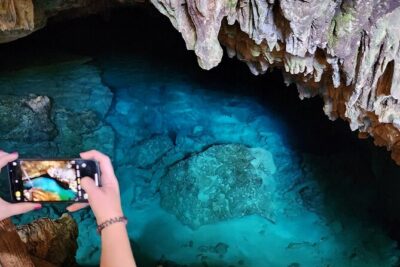 ★ 4.5Punta Cana Dune Buggy Adventure and Amazing Water CaveFrom $613,411 reviews
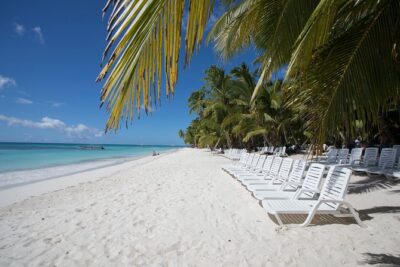 ★ 4.5Saona Island Day Trip From Punta Cana with Lunch and Open BarFrom $822,709 reviews
 ★ 4.5Punta Cana Family Wild Buggy Eco AdventureFrom $482,372 reviews
 ★ 5.0ATV Adventure to Water Cave and Macao Beach in Punta CanaFrom $452,206 reviews
 ★ 4.1Punta Cana Buggy & ATV Tour: Cave, Macao Beach, Free Pick-UpFrom $352,134 reviews
Browse the lists this tour appears in