
Reviewed · SANTO DOMINGO & THE COLONIAL ZONE
Santo Domingo: Private City Tour walking
Old Santo Domingo rewards slow walking. This private route turns the UNESCO Zona Colonial into something you can understand fast, with colonial streets and major landmarks tied to the earliest European presence in the Americas. It also saves the best photo moment for later, at Fortress Ozama, where the view over the Ozama River helps everything click into place.
I like that this tour doesn’t treat the past like a museum piece. You’re guided through the places where the first Cathedral, the first hospital, and early church and government roles all took shape, then you see how the city still feels lived-in today in the old lanes and squares. A possible drawback: it’s still a walking tour for three hours, so it may be a tough fit if you tire easily (and it isn’t suitable for pregnant women or children under 2).
In This Review
- Key things I’d look for on this Santo Domingo walk
- Walking into the UNESCO Old City, where the Americas took shape
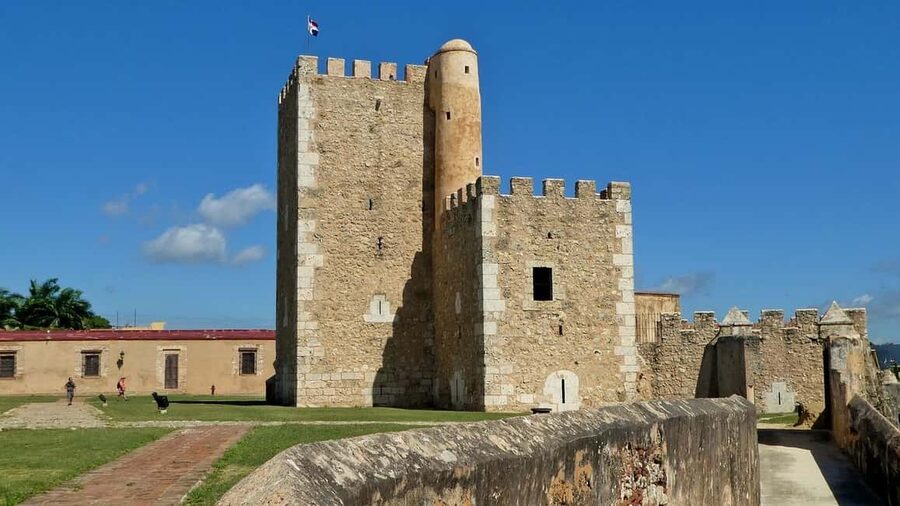
- Fortress Ozama: the river view that makes the whole tour click
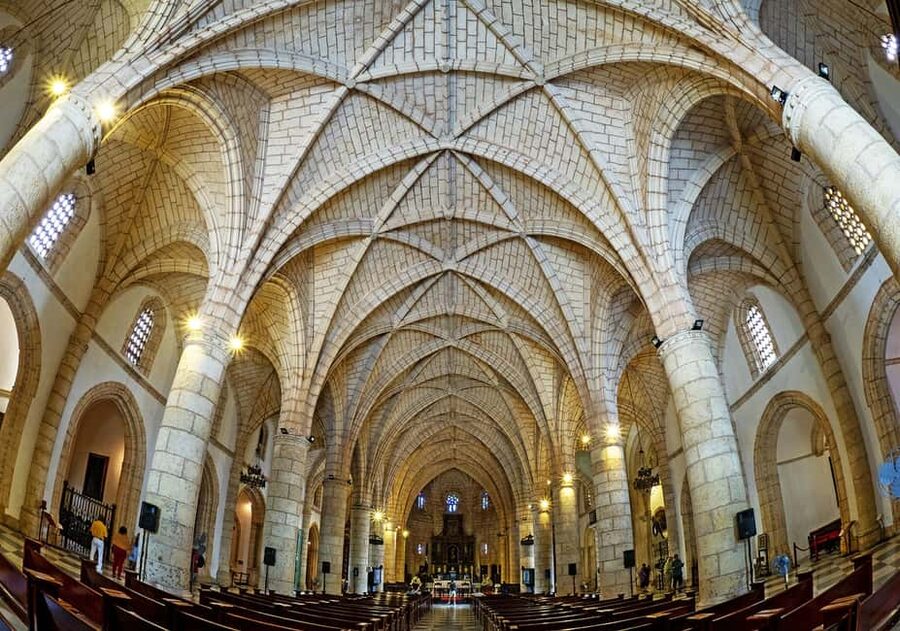
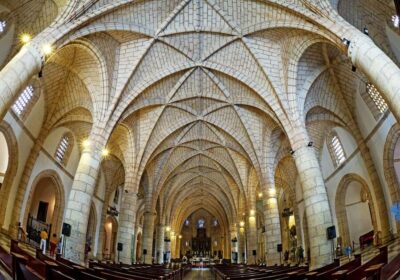
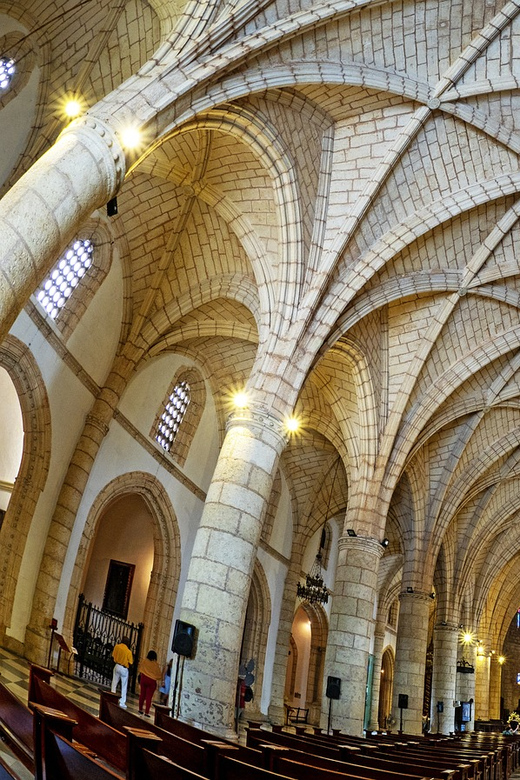
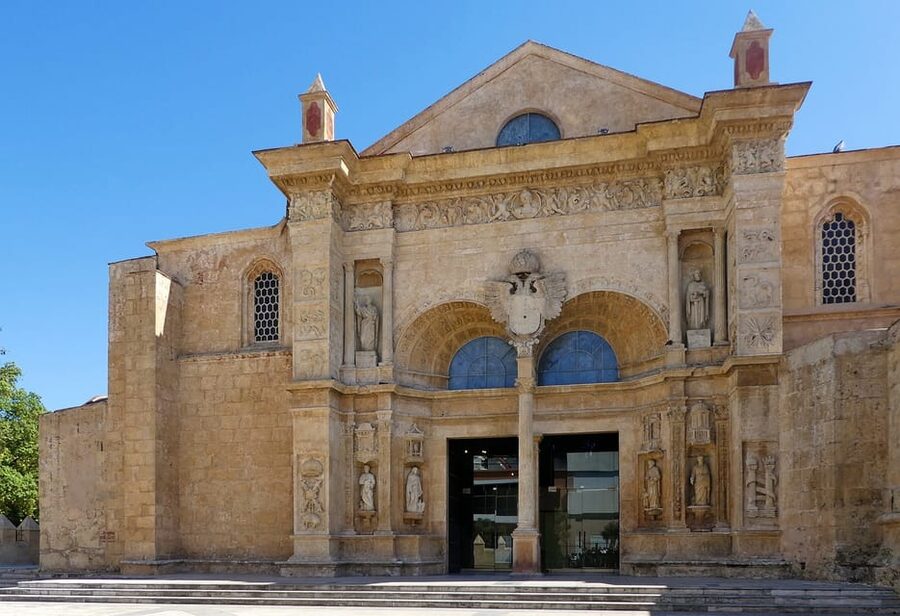
- The first Cathedral stop: more than a landmark
- Calle Las Damas and the colonial alleys you can actually feel
- Palace of Justice and the early university: governance and learning
- Museo del Mar and Museo del Ron: where the tour slows down
- The National Panteon stop: a different tone in the same city
- How the 3-hour walking pace works (and what to wear)
- Price and value: is $55 per person a fair deal?
- Should you book this Santo Domingo private walking tour?
- FAQ
- How long is the Santo Domingo private walking tour?
- What does the tour cost?
- Where does the tour take place?
- What’s included in the price?
- Is anything not included?
- Is the tour private?
- What languages are available?
- Is the tour suitable for everyone?
- Can I cancel for a refund?
Key things I’d look for on this Santo Domingo walk
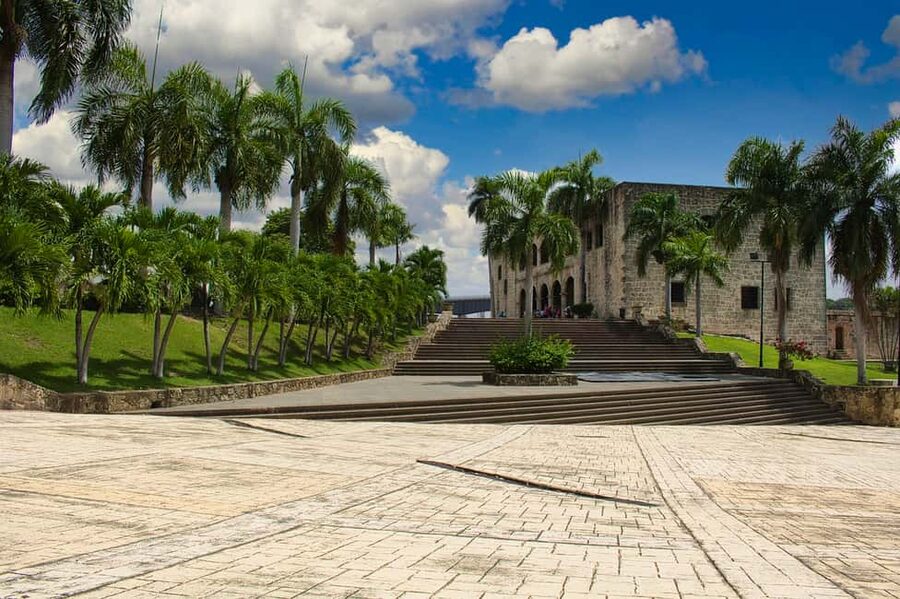
- Fortress Ozama views over the Ozama River make for a strong mid-tour break and great photos
- UNESCO Old Santo Domingo streets give you the real “place” behind the history
- Calle Las Damas (first cobblestone street) is the kind of detail you remember after you leave
- Entry tickets are included for the cathedral, Fortress Ozama, the national Panteon, and two museums
- Museo del Mar and Museo del Ron add culture beyond just churches and stone walls
- Guide support in Spanish, English, or French, and one guide named Sr Duran is specifically noted for keeping things pleasant and clear
Walking into the UNESCO Old City, where the Americas took shape
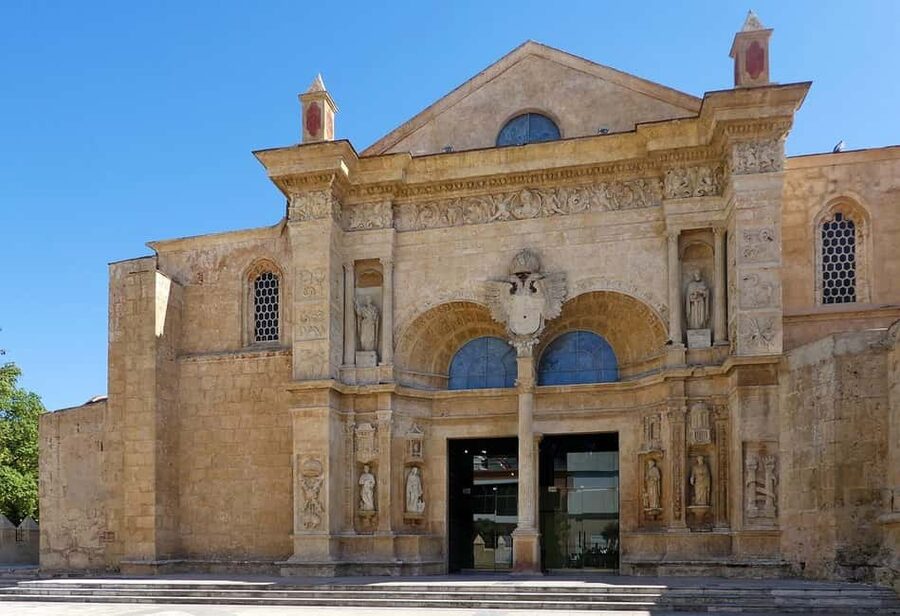
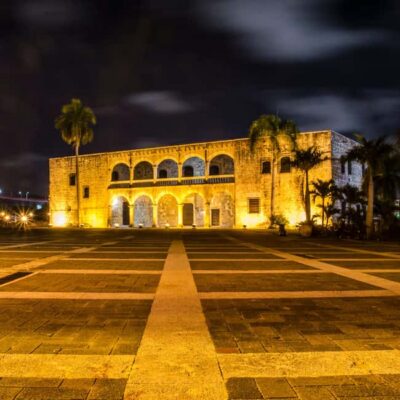
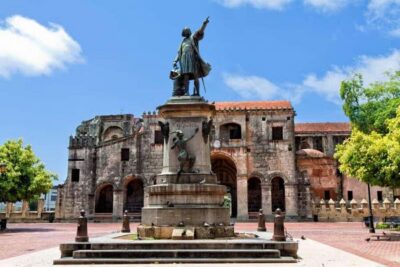
Santo Domingo’s old quarter is where the story of the New World’s European era begins in a very physical way. You start in the colonial core, a UNESCO World Heritage Site, and that matters because the buildings and street layout weren’t built to impress tourists. They were built to run a colony, govern people, and move goods.
This is also where the tour’s “firsts” give you context you can’t get from a quick stop alone. You’re in the area where the first Cathedral was built, where the first Bishop was sanctified, where the first Governor resided, and where the first hospital opened. Even if you only know a little history, your guide helps you connect why those institutions show up here so early.
What I like about starting here is simple: it lets you get your bearings fast. The walking format means you’re learning from what’s around you—street corners, sightlines, and how the old city pieces relate—rather than jumping between far-apart stops.
Fortress Ozama: the river view that makes the whole tour click
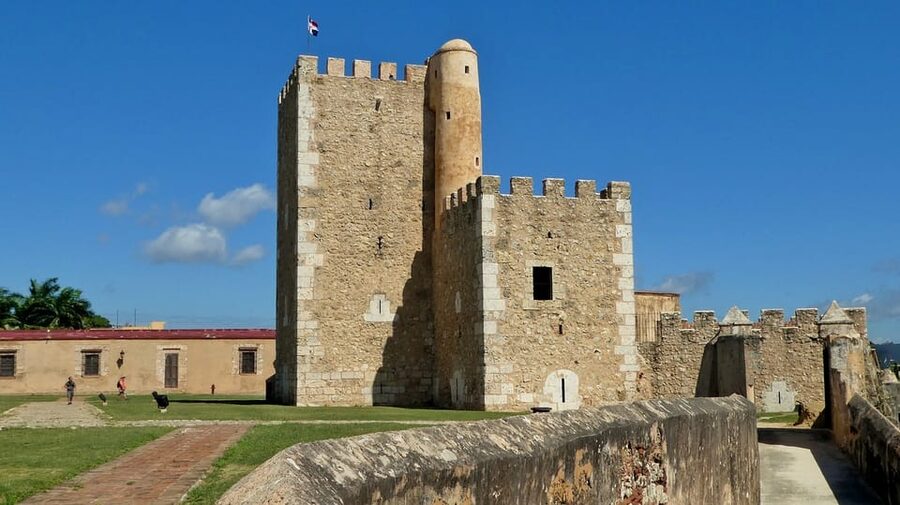
Fortress Ozama is one of those stops that turns “history talk” into a picture you can hold in your head. You’ll visit Fortress Ozama with an entry ticket included, and the payoff is the view over the Ozama River.
That river view matters because Santo Domingo’s colonial power didn’t just live on land. The river was a route, a boundary, and a way to bring people and goods into the city. Standing at the fortress helps you understand why fortifications were built where they were—control, protection, and visibility all at once.
If you’re into photography, this is where you should slow down. Try stepping back for a wider shot before you zoom in. And since the tour is only 3 hours, you’ll appreciate that this pause gives you a natural momentum shift halfway through.
The capital deserves a full day. More Santo Domingo runs we rate
- Santo Domingo: Los Tres Ojos, Boca Chica & More
★ 4.8 · 219 reviews - Colonial Zone: Historical Tour with a visit to the Columbus Lighthouse and Tres Ojos Park
★ 4.9 · 157 reviews - Santo Domingo: Colonial Zone Bike Tour
★ 5.0 · 127 reviews - Saona Island, memorable all-inclusive experience, from Santo Domingo.
★ 4.5 · 100 reviews
The first Cathedral stop: more than a landmark
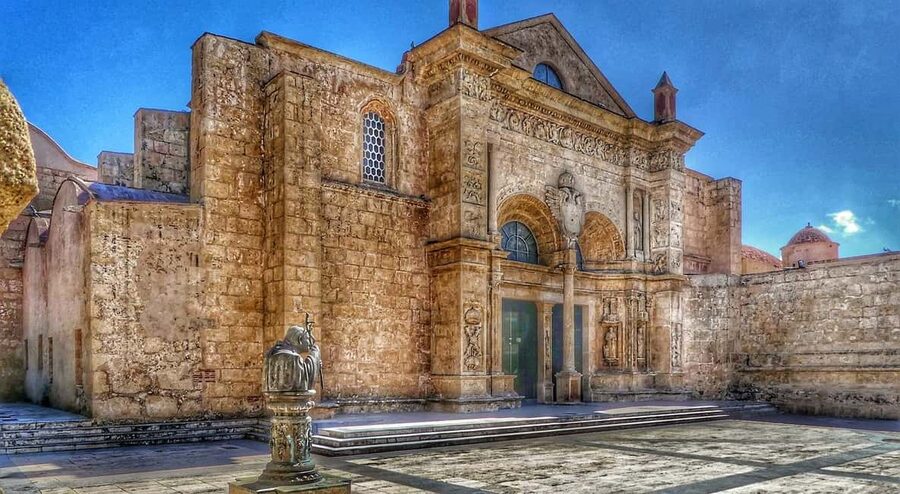
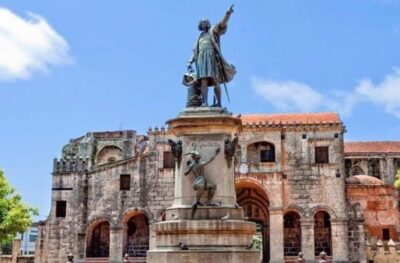
The cathedral visit is the kind of stop that sounds simple—see a church, take a photo—until you learn what the site represents. This is where the first Cathedral was built, and the tour includes your entry ticket so you’re not waiting around for the right moment.
I like cathedral stops on guided walking tours because the guide’s job isn’t just explaining architecture. It’s connecting the building to the early institutions of the colony: church authority, public life, and civic identity. Even if you’re not a history nerd, you’ll probably leave with a clearer sense of how religious power and government power overlapped here.
Practical tip: wear shoes you can stand in comfortably. Cathedral visits often involve stairs, uneven surfaces near older entrances, and time spent looking up.
Calle Las Damas and the colonial alleys you can actually feel
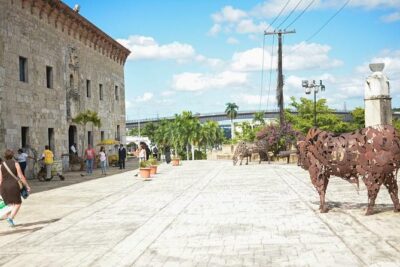
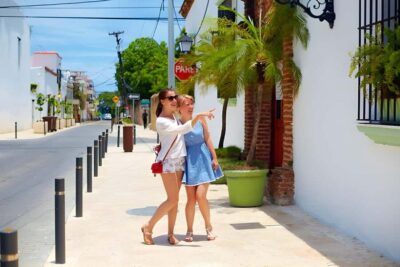
If you remember just one detail from this tour, make it Calle Las Damas. You’ll walk on this street—known as the first cobblestone street—and it’s a perfect example of why walking matters.
Cobblestones change how you move. They slow you down in a good way. You naturally notice the rhythm of the street, the building edges, and how the alleys frame views. And those are the little things that help you feel the place instead of just reading labels.
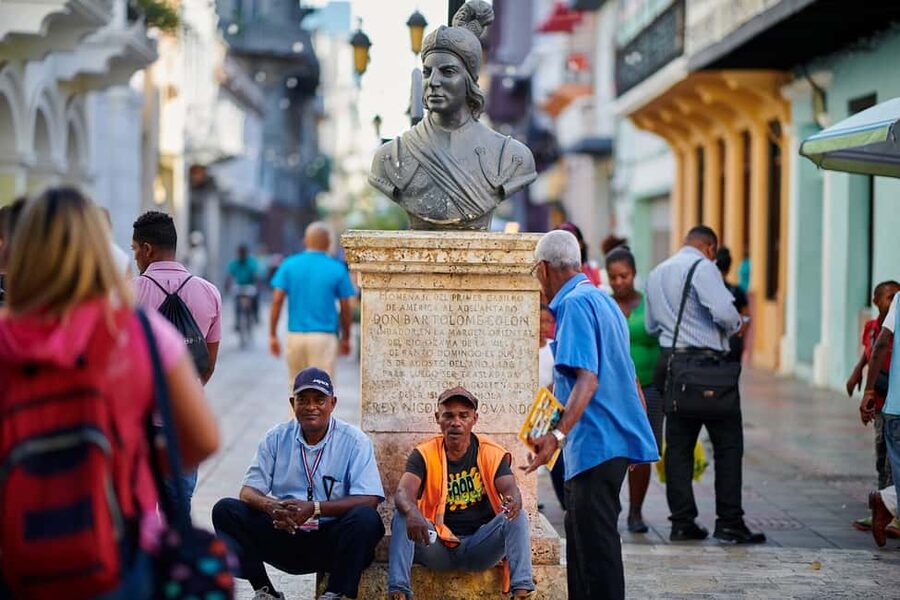
This segment is also where you’ll start getting a more grounded sense of Dominican daily life in the old setting. You’re not only looking at heritage sites; you’re moving through the kind of streets where people still live with the past beside them. The tour’s colonial lanes and streets are where “unique pictures” become easy, because there’s real texture in the environment.
Palace of Justice and the early university: governance and learning
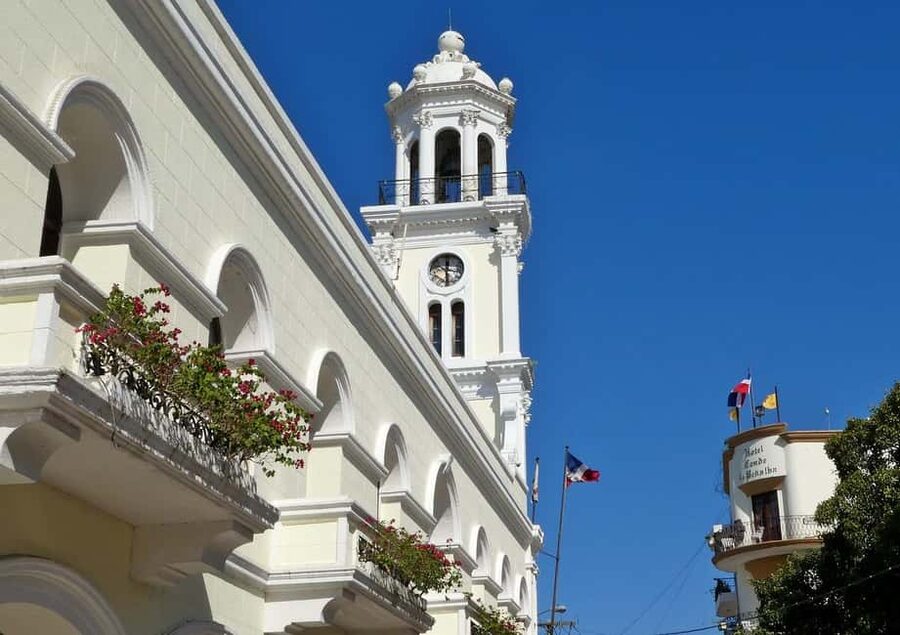
You’ll also see major civic and educational landmarks such as the Palace of Justice and the first university. Even without a long, museum-style stop at every one of them, seeing them in the right order helps the story. You get the sense that the colony wasn’t only about worship—it was about law, administration, and formal learning.
There are also “first” themes that widen the scope beyond religion. The tour includes seeing the first shipyard and the first viceregal palace of the American Continent. Those details connect the dots between who held authority, how people organized, and how the city functioned economically.
One caution: because this is a walking tour built around several key photo-and-look stops, you’ll want to stay mentally present during the transitions. This is where listening pays off. If you start checking your phone between stops, you’ll miss the guide’s thread tying the locations together.
Museo del Mar and Museo del Ron: where the tour slows down
A smart part of this experience is that it doesn’t rely only on streets and stone. Your included entry tickets cover two museums: Museo del Mar and Museo del Ron.
This is valuable for a few reasons. First, it breaks the walking time with indoor space—useful if it’s hot or if you want a sit-down moment. Second, museums turn “what you saw outside” into broader context. Maritime themes help explain the city’s relationship to movement and trade, while the rum museum brings in a side of Dominican culture that feels tied to local identity, not just colonial architecture.
I also like this pairing because it gives variety. A tour that only focuses on churches can feel repetitive after a while. Mixing in maritime/cultural museum time makes the overall three hours feel complete.
More walks we have taken through Santo Domingo, notebook in hand
The National Panteon stop: a different tone in the same city
Your included tickets also cover the national Panteon. This stop shifts the mood toward a more formal, memorial type of space compared with the street-level energy of the colonial lanes.
Even though you’re not spending all day in museums, having a ticket-included visit here helps you round out the picture of Santo Domingo as both a living city and a place that commemorates national identity.
If you’re the type who likes to understand how different kinds of buildings fit into a city’s character, the Panteon adds that balance.
How the 3-hour walking pace works (and what to wear)
This is a private group tour, so the guide can set a workable pace rather than forcing everyone to move in lockstep with a large crowd. Still, it’s designed as a walking experience, and three hours adds up on older streets.
Plan for:
- Time standing for viewpoints, especially around the fortress area
- Walking on cobblestones and historic street surfaces near places like Calle Las Damas
- A mix of outdoor sightseeing plus museum entry time
On suitability: it’s not suitable for pregnant women and not suitable for children under 2 years. The tour is listed as wheelchair accessible, but since it’s still a walking-based format, it’s smart to be realistic about how much movement you’ll want to do during the 3 hours.
My best advice is boring but true: wear comfortable walking shoes and bring a light layer, even if the weather looks friendly. Historic cities can feel cooler near shaded streets and fortifications, then warmer again once you’re back in open sun.
Price and value: is $55 per person a fair deal?
At $55 per person for a 3-hour private walking tour, the biggest value piece is that key entry fees are included. You get ticket access for:
- the cathedral
- Fortress Ozama
- the national Panteon
- Museo del Mar
- Museo del Ron
…and a local tour guide.
If you’ve ever tried to piece together entry tickets and museum visits on your own, you’ll know the hidden costs aren’t always just money. It’s the time spent figuring out what’s open, where to go next, and how long each stop will take. Here, the guide’s sequencing helps you see the city in a logical flow, including places that are strongly linked by theme (early institutions, governance, culture, and maritime life).
Also, because it’s private, you’re not just paying for access. You’re paying for someone to explain what you’re looking at while you’re walking—so you don’t end up with a collection of photos but no real understanding.
Should you book this Santo Domingo private walking tour?
Book it if you want an efficient way to see the core of Santo Domingo’s UNESCO colonial zone with context—especially if you like “place-based history,” where the street and the building help explain the story. You’ll get a mix of major landmarks (cathedral, fortress, civic sites you’ll see), plus indoor time in Museo del Mar and Museo del Ron, which helps keep the tour varied.
Skip it (or consider a different format) if you strongly dislike walking, or if your travel group includes someone who falls into the listed unsuitability categories. And if you’re expecting a long, museum-heavy day, remember this is built as a walking tour. It’s designed to cover a lot without dragging.
One more note: the guide experience seems to matter here. A guide named Sr Duran is specifically praised for making the tour pleasant and instructive, which is exactly what you want from a short, high-impact city walk.
FAQ
How long is the Santo Domingo private walking tour?
It’s 3 hours.
What does the tour cost?
The price is $55 per person.
Where does the tour take place?
The tour is in Distrito Nacional, Dominican Republic, focusing on Old Santo Domingo / Zona Colonial.
What’s included in the price?
You get a local tour guide plus entry tickets to the cathedral, Fortress Ozama, the national Panteon, and the museums Museo del Mar and Museo del Ron.
Is anything not included?
Souvenirs and any other entry fees not specifically mentioned are not included.
Is the tour private?
Yes. It’s a private group tour.
What languages are available?
The live guide is offered in Spanish, English, and French.
Is the tour suitable for everyone?
It’s wheelchair accessible, but it’s not suitable for pregnant women or children under 2 years.
Can I cancel for a refund?
Yes, it offers free cancellation up to 24 hours in advance for a full refund.
Slow Miles Through Santo Domingo
More Tour Reviews in Santo Domingo
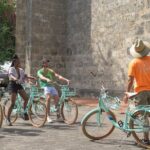


Deeper into the Colonial Zone
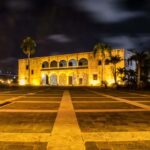
New Santo Domingo reviews, straight off the island
- Santo Domingo Colonial Zone City Tour★ 3.1 · 3 reviews
- “Private Airport Transfer from Santo Domingo (SDQ)”★ 3.5 · 3 reviews
- Santo Domingo to La Romana transfer★ 5.0 · 3 reviews
- A Private day in the First city of the Americas: Santo Domingo★ 5.0 · 3 reviews
- Santo Domingo: Paradisiac Waterfall & Lunch Cooked Over Wood★ 5.0 · 3 reviews
- Santo Domingo: Guided City Tour with Lunch★ 4.9 · 3 reviews
Santo Domingo & the Colonial Zone, compared.
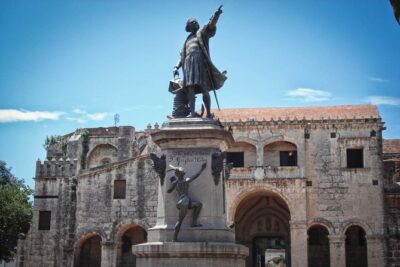 ★ 4.5Full-Day Santo Domingo City Tour from Punta CanaFrom $954,500 reviews
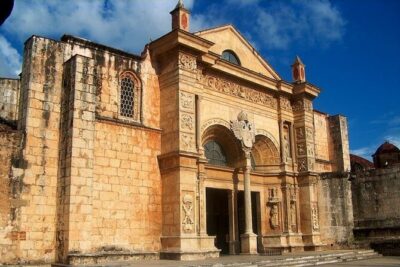 ★ 3.5Day Trip to Santo Domingo from Punta CanaFrom $55659 reviews
 ★ 3.8Santo Domingo Day Trip with Tickets and LunchFrom $82584 reviews
 ★ 4.1All Inclusive Santo Domingo Full-Day City TourFrom $70553 reviews
 ★ 4.8Santo Domingo: Los Tres Ojos, Boca Chica & MoreFrom $87219 reviews
 ★ 4.0Historical Santo Domingo Day Trip from Punta CanaFrom $95176 reviews
 ★ 4.9Colonial Zone: Historical Tour with a visit to the Columbus Lighthouse and Tres Ojos ParkFrom $5157 reviews
 ★ 3.6From Bavaro: Santo Domingo Colonial City TourFrom $85129 reviews
Browse the lists this tour appears in