
Reviewed · WORKSHOPS
‘Chillo al Coco’ Cooking Class & Taino Concept store
A red snapper dish with Taino roots. This chillo al coco cooking class is a hands-on way to understand Dominican home flavors, not just watch them. I love the focus on fresh local ingredients and the method for building a creamy coconut sauce from scratch, and I also like the small 10-person group size that keeps the class personal. One thing to consider: the day can run longer than expected, and power or scheduling issues can sometimes force a change.
You’ll start with pickup from your Punta Cana hotel, then head toward La Altagracia for a full cooking session. Expect a straightforward, learn-by-doing format: prepare and season the fish, extract coconut milk, cook everything until the flavors settle in, then plate it with cassava, plantain, and rice.
The experience is suitable for all ages, so it can work for families and mixed cooking levels. Just remember drinks aren’t included, so budget for beverages if you want them during the day.
In This Review
- Key takeaways before you go
- A Day in La Altagracia: From Punta Cana Pickup to the Kitchen
- Chillo al Coco, Explained: Red Snapper Meets Coconut Sauce
- Taino Techniques and Local Ingredients You’ll Use Hands-On
- The Sides Matter: Cassava, Plantain, and Rice as a System
- Small Group Cooking, Real Instruction, and the Names You Might Hear
- Price and Value: Is $98 Worth One Day?
- Timing Wobbles and When Plans Change
- Who Should Book This Cooking Class (and Who Might Skip It)
- Should You Book Chillo al Coco & the Taino Concept Store?
- FAQ
- What dish will I learn to cook?
- How long is the cooking class?
- What’s included in the price?
- Are drinks included?
- What languages is the class taught in?
- Is it wheelchair accessible?
- Where does pickup/free transport apply?
Key takeaways before you go
- Chillo al coco, made step-by-step: red snapper, coconut sauce, and the simmer method
- Taino cooking techniques with fresh local ingredients like cassava and plantain
- Small group (up to 10), which makes it easier to get help and not feel rushed
- English/French instruction with an instructor who can guide you through each station
- Hotel transport is included within the Punta Cana/Bávaro area, with a possible extra fee from Uvero Alto
- Plan for timing wiggles: sometimes the schedule can run longer, and occasionally issues happen beyond anyone’s control
A Day in La Altagracia: From Punta Cana Pickup to the Kitchen
This is one of those activities that starts by removing stress. You’re picked up from your Punta Cana hotel in an air-conditioned minivan, so you don’t have to figure out transport on arrival day. Once you’re in the right zone (Bávaro/Punta Cana), the transfer is included, and pickup/drop-off is handled for you.
Two timing details matter. First, you should wait in the hotel lobby about 10 minutes before the scheduled pickup. Second, the driver won’t wait more than 5 minutes after the pickup time. That means if your ride is late because you’re still searching for someone’s “exact” room location, the minivan may not pause for you.
The class runs for one day, and you’ll choose a starting time based on availability. Your best move is to treat it like a commitment: clear a bit of slack for the rest of the day, especially if you’re pairing it with dinner plans.
You’ll also want to know the practical “where.” The class happens in La Altagracia, Dominican Republic, and it’s described as a cooking class plus a Taino concept store. If you like shops that tie into what you’re learning (instead of random stops), this part tends to match the theme better than typical tourist add-ons.
Chillo al Coco, Explained: Red Snapper Meets Coconut Sauce
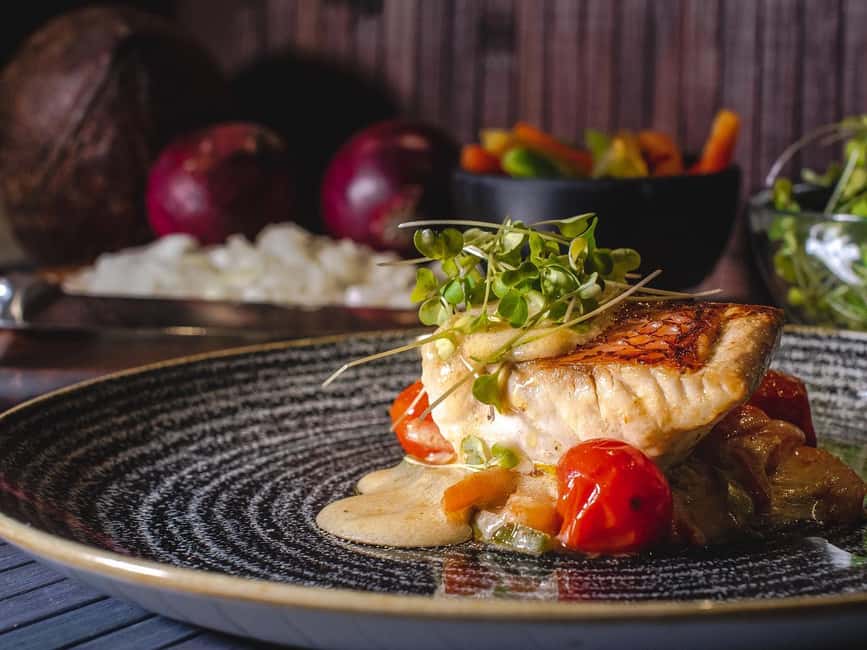
The main dish is chillo al coco: red snapper cooked with a creamy coconut sauce. What makes this class worth your time is that you’re not just tasting a finished plate. You learn how the dish is built.
Here’s the method you’ll follow.
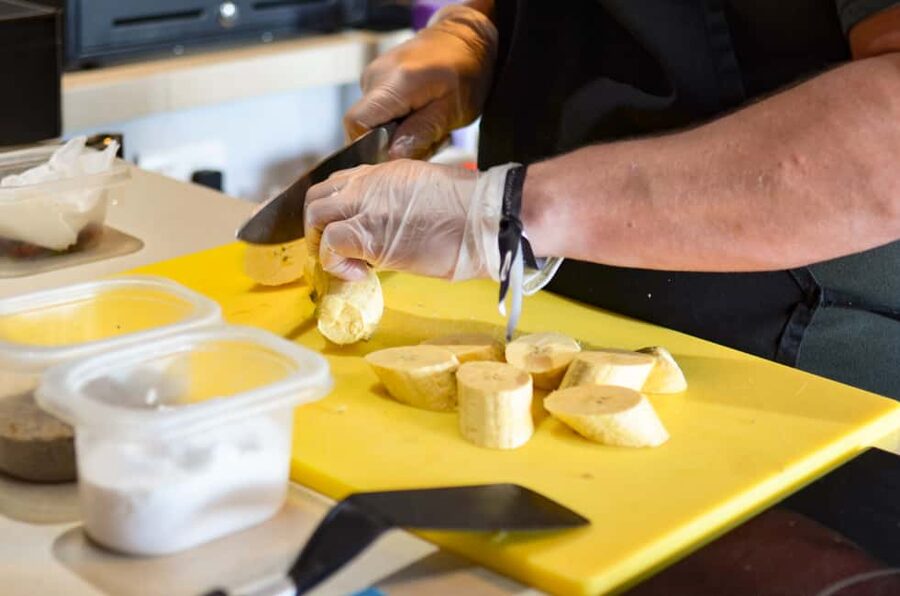
You start with the fish: cleaning, then seasoning it with an aromatic blend of herbs and spices. That step matters because fish can go from great to bland fast if seasoning is treated like an afterthought. You’ll then move on to the sauce.
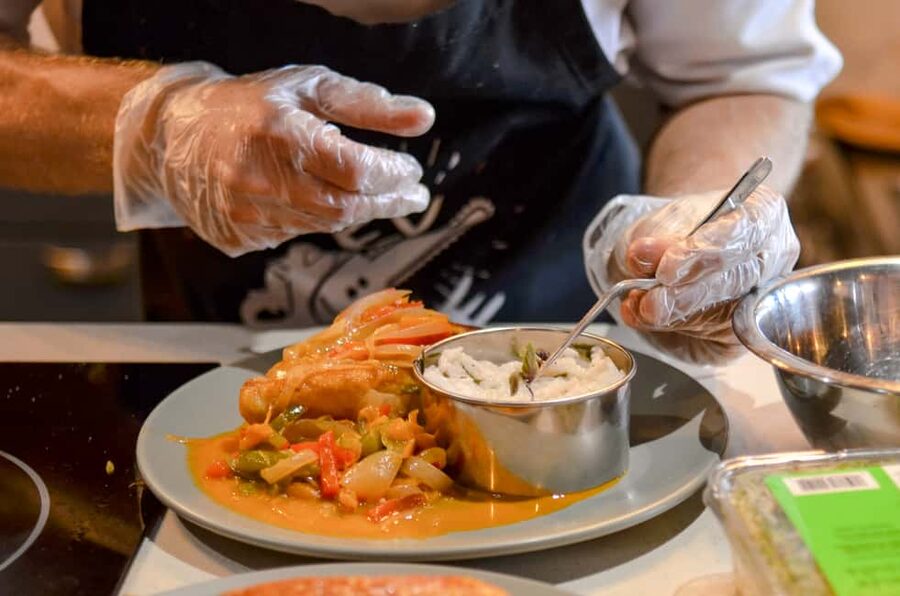
The coconut sauce is the star. You’ll use freshly grated coconut to extract coconut milk, then cook that milk down into a smoother, creamier base. After that, you add peppers, onions, and garlic to build heat and depth. Once the sauce is ready, you add the fish and let it simmer until it’s cooked through—long enough for the flavors to marry instead of sit side-by-side.
Finally, you don’t eat it alone. You plate it with cassava, plantain, and rice for a full meal. That’s the real Dominican value here: sauce plus starches plus a protein that soaks up the cooking juices.
More Punta Cana stalls and shops with a guide who haggles
- 101 Oliver Rum Tasting & Pairing And Taino Concept Store
★ 5.0 · 244 reviews - Punta Cana Oliver & Oliver Rum Tasting & Taino Concept Store
★ 4.6 · 146 reviews - Punta Cana: Shopping Tour with Hotel Pickup and Drop-Off
★ 3.7 · 54 reviews - Shopping Tour In Don Lucas Cigar Factory, Rum tasting, Cocoa factory, Souvenirs
★ 4.0 · 51 reviews
Taino Techniques and Local Ingredients You’ll Use Hands-On
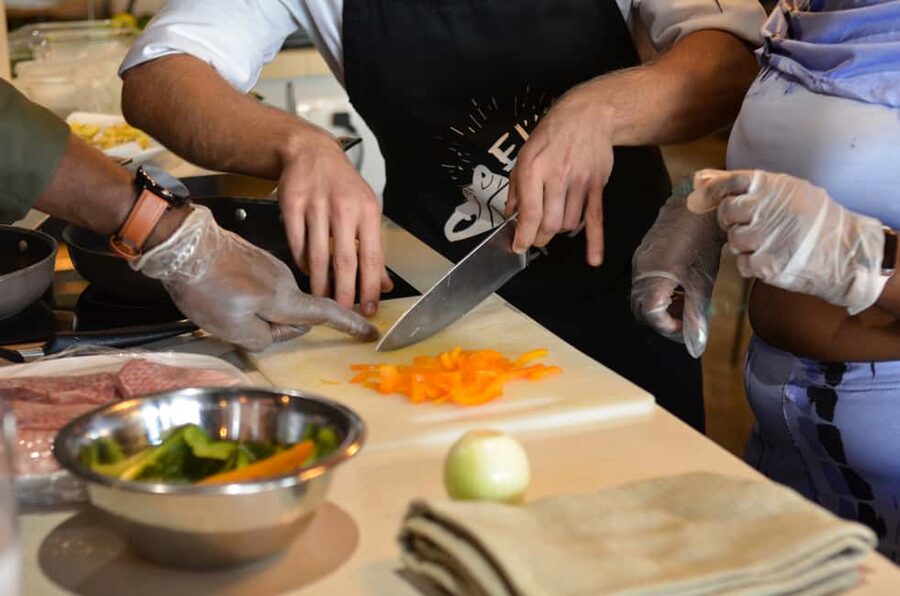
What I like about this class is that it doesn’t treat Taino food as a decorative label. You’re shown traditional cooking techniques and then asked to apply them while you work. The point isn’t to turn you into an expert in one sitting. It’s to help you understand why the process is the process.
In practical terms, you’ll work with ingredients that are common in Dominican cooking, not fancy imports:
- Cassava
- Plantain
- Rice
- Fresh coconut
- Herbs and spices used to season fish
You’ll also get guided instruction in English and French, so language usually isn’t a barrier if your group includes mixed comfort levels. The class size helps here too. With a maximum group size of 10 participants, questions don’t get lost, and you’re more likely to get feedback on what you’re doing rather than just being ushered through.
In terms of teaching style, names like Randy, Ruth, and Roody show up in instructor feedback as people who were patient, funny, and focused on making the process enjoyable. That’s a good sign if you’re worried about feeling out of your depth in a cooking class.
One more thing: this class is described as suitable for all ages. If you’re traveling with teens or older relatives, it’s not automatically tuned only for food nerds. It’s built for people who want a real activity, not just a meal.
The Sides Matter: Cassava, Plantain, and Rice as a System
A lot of cooking classes stop once the main dish is done. This one ties the whole plate together.
You’ll serve chillo al coco with cassava, plantain, and rice, which makes a big difference in how the dish feels at the table. Coconut sauce is rich. Fish is delicate. The sides bring balance: starches that help you stretch flavor across bites.
Here’s what that means for you as you plan your meal:
- If you eat coconut-heavy foods easily, you’ll enjoy how the sauce coats the fish.
- If coconut can be heavy for you, the rice and starch sides help moderate that feeling.
- Cassava and plantain add a Dominican “terrain” of flavors and textures that makes the meal more than just fish in sauce.
Also, having the meal components together affects how satisfying the class feels. You leave with the ability to recreate the dish as a complete plate, not a one-off recipe.
Small Group Cooking, Real Instruction, and the Names You Might Hear
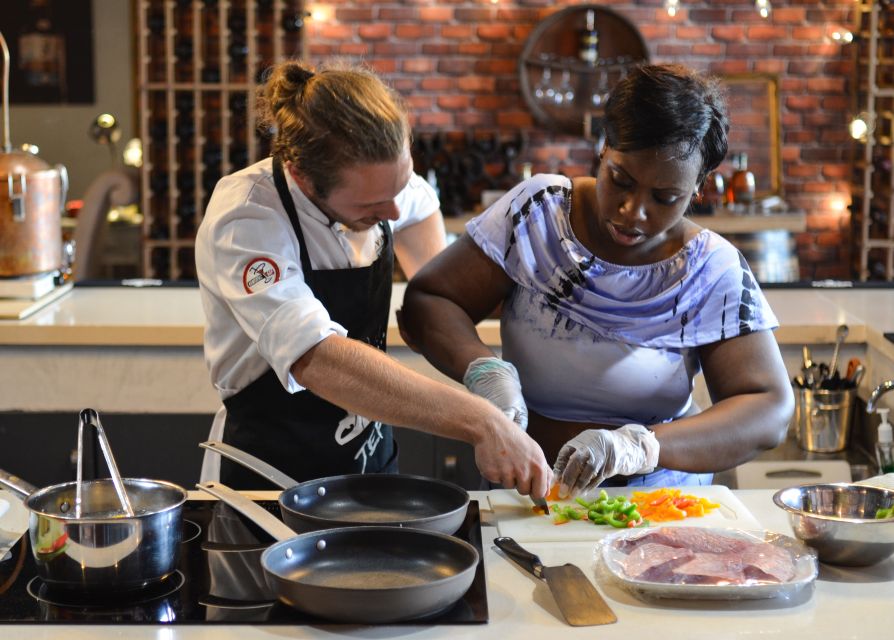
This is a small-group class limited to 10 participants. In practice, that matters for two reasons: attention and pace. When you’re learning to clean fish, season it, and time the simmer, you don’t want a class where someone is always waiting for the instructor to catch up with the next group.
Hotel pickup and drop-off are included, and the air-conditioned minivan is there to keep the “travel fatigue” from eating your energy before you cook. If you’re someone who gets cranky when food plans feel rushed, this structure helps.
The instruction is listed as English and French, and that’s a real convenience for mixed-language groups. And again, small size seems to be the difference-maker in whether you feel like you’re participating versus following a cooking show script.
A couple of instructor-and-experience notes from prior accounts stand out:
- People praised guides for patience and making the class feel fun.
- The atmosphere of the location was described as welcoming and professional.
So even if you’re not confident in the kitchen, you’re likely to be treated like a participant, not a spectator.
Price and Value: Is $98 Worth One Day?
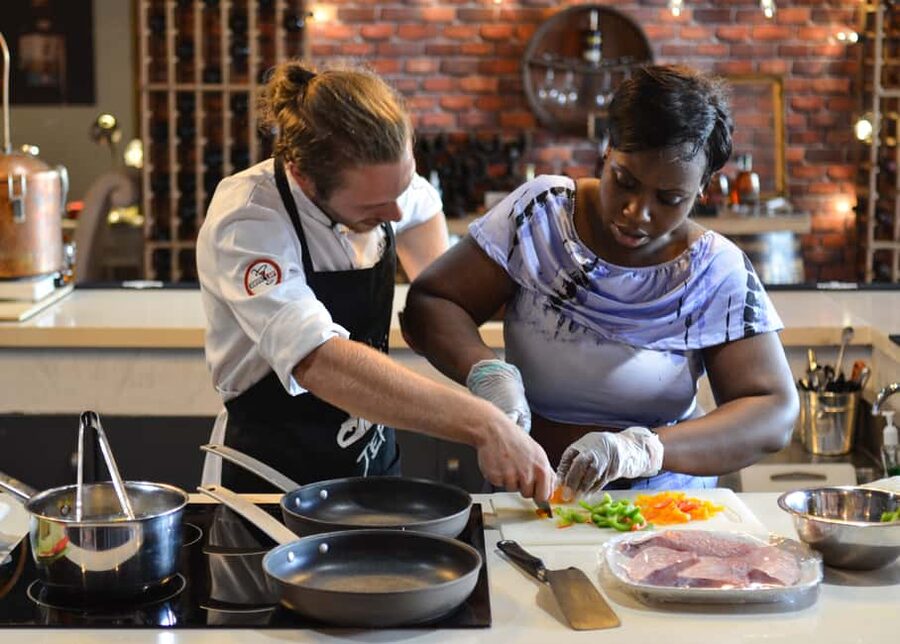
At $98 per person for a one-day experience, this isn’t a bargain-basement activity. But it isn’t only a tasting event either. You’re paying for:
- Hotel pickup and drop-off in the Punta Cana/Bávaro area
- The cooking session with hands-on steps
- Instruction in English/French
- Local taxes
The fact that drinks aren’t included matters slightly—if you’re used to “tour price includes everything,” plan to buy beverages separately. Still, the meal itself is part of the class, and you’re learning a method that you can repeat at home.
The value argument gets stronger if you’ll actually use what you learn. If you like cooking fish, sauces, and starch sides, this gives you a grounded recipe framework. If you hate mess and prefer restaurants, you might not feel the payoff.
The best comparison isn’t “cost versus another excursion.” It’s “cost versus what you get to do.” This is a skill-building meal experience, not just a food stop.



Timing Wobbles and When Plans Change
You should build in flexibility. One practical reality: cooking classes can run longer than the clock, especially when there are steps involving preparation and cooking time. If your schedule is tight, avoid stacking this right before a departure or a must-hit reservation.
There’s also the rare, unpredictable issue: power or facility interruptions. In a prior instance, the course had to stop due to a power outage. What impressed was the professional response afterward—trying to find an alternative date when possible and arranging the refund when it wasn’t.
So if something goes wrong, it’s worth having the right expectations: delays can happen. The key is how the team handles it after. In this case, the response was described as professional.
One caution to keep in mind is billing. There was a reported problem with a duplicate deduction and difficulty getting funds back. That doesn’t mean it’s common, but it’s a good reminder to double-check your payment method statement right after booking.
Who Should Book This Cooking Class (and Who Might Skip It)
You’ll likely be happiest with this experience if:
- You want hands-on Dominican cooking, not just sightseeing
- You like seafood and creamy coconut sauces
- You enjoy learning methods (fish prep, coconut milk extraction, simmering)
- You’re traveling with family or a group where everyone can participate
You might consider skipping if:
- Your schedule is extremely strict and you can’t tolerate possible delays
- You don’t enjoy cooking tasks and would rather just eat
- You’re expecting drinks to be included in the price
It’s also a good fit for people who want something cultural that isn’t purely museum-based. Cooking gives you a different kind of understanding—one that lives in taste and technique.
Should You Book Chillo al Coco & the Taino Concept Store?
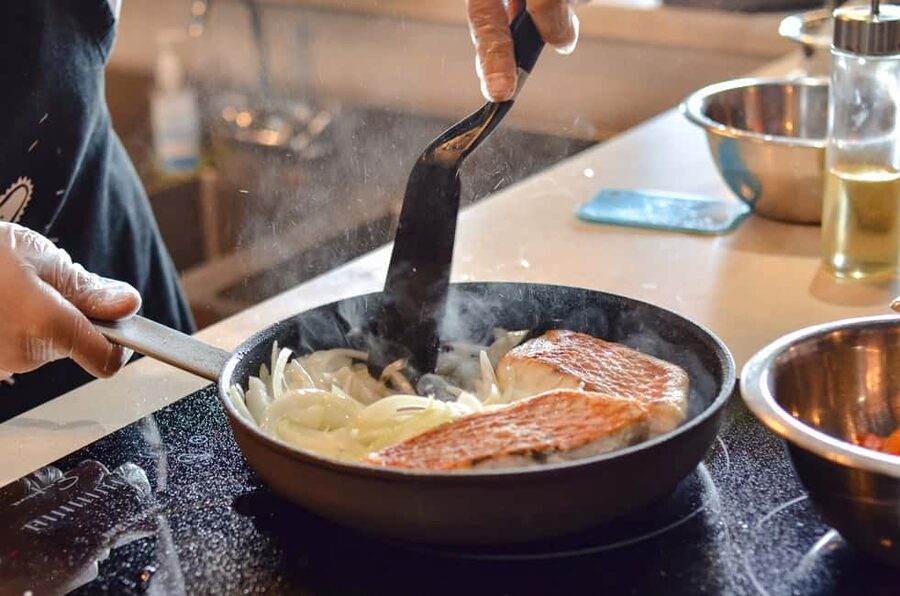
If you want an activity that feels like Dominican life—food first, technique included—this is a strong pick. The main dish is clearly defined, the teaching is structured, and the meal comes together with cassava, plantain, and rice so you leave satisfied.
Book it if:
- You’ll appreciate the process of making coconut sauce from fresh coconut
- You’re okay with a one-day commitment and a little timing flexibility
- You want a small-group class that keeps you involved
Consider a different option if:
- You’re only looking for a quick snack experience
- You can’t handle schedule changes or longer-than-advertised timing
- You prefer tours where everything, including drinks, is bundled
If your goal is a memorable meal with real technique behind it, Chillo al Coco hits the mark.
FAQ
What dish will I learn to cook?
You’ll make chillo al coco, featuring red snapper with coconut sauce, plus sides of cassava, plantain, and rice.
How long is the cooking class?
The duration is listed as 1 day. Starting times depend on availability.
What’s included in the price?
Included: air-conditioned minivan transport, hotel pickup and drop-off, and local taxes. Drinks and beverages are not included.
Are drinks included?
No. Drinks and beverages are not included.
What languages is the class taught in?
The instructor is listed as teaching in English and French.
Is it wheelchair accessible?
Yes, it is listed as wheelchair accessible.
Where does pickup/free transport apply?
Free transportation is included only in the Bávaro/Punta Cana area. If you’re coming from the Uvero Alto zone, there is an extra charge.
Shopping Runs in Punta Cana




More Tour Reviews in Punta Cana




New Punta Cana reviews, straight off the island
- Full day – Saona Island from punta cana★ 3.5 · 3 reviews
- Punta Cana Whale Watching and Bacardi Island Day Trip★ 3.5 · 3 reviews
- Montaña Redonda & Horseback Riding 2-in-1 Tour from Punta Cana★ 4.5 · 3 reviews
- Iberostar Selection Bavaro – Round Trip Shuttle – Punta Cana Airport★ 5.0 · 3 reviews
- Half Day Dominican Safari for all Family★ 5.0 · 3 reviews
- Punta Cana Buggy and ATV Adventure Tour★ 3.5 · 3 reviews
Workshops, compared.
 ★ 4.5Group Surf Lessons Punta Cana – Fun, Easy & Beginner-FriendlyFrom $115121 reviews
 ★ 4.5Santo Domingo: Chocolate Tour + Optional WorkshopsFrom $2160 reviews
 ★ 5.0Chocolate Master Class & Taino Concept StoreFrom $5743 reviews
 ★ 4.9Santo Domingo: Bachata or Salsa Dance ClassesFrom $4041 reviews
 ★ 5.0Kiteboarding Lessons in Punta CanaFrom $21532 reviews
 ★ 4.0Saona Island VIP 4 first-class beach and sunsetFrom $12530 reviews
 ★ 4.6One-on-One Surf Lesson on Macao BeachFrom $11526 reviews
 ★ 4.8Santo Domingo: Latin dance classes: Salsa and moreFrom $3513 reviews
Browse the lists this tour appears in